What to Do When Your Furnace Is Not Heating Your Home
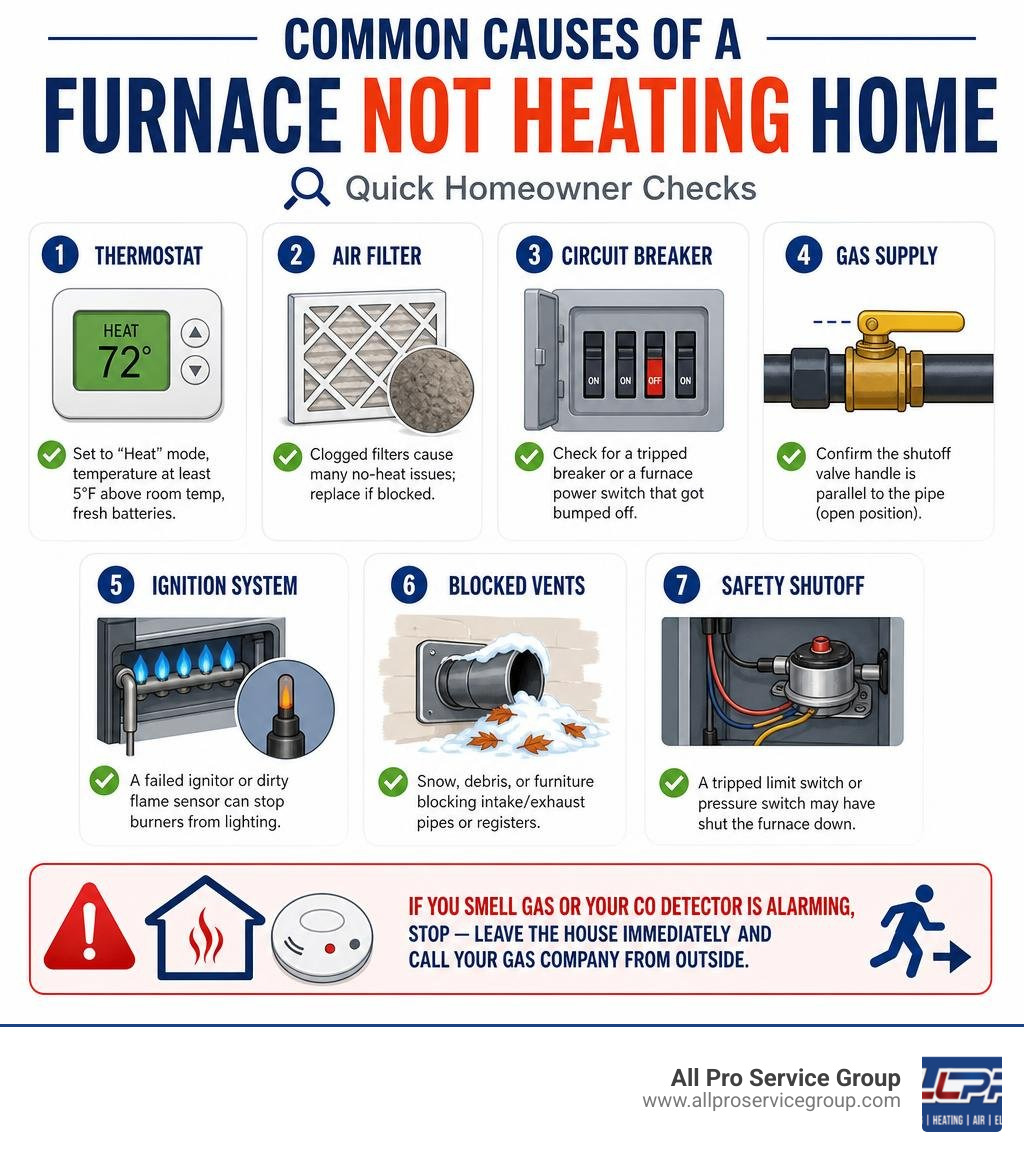
If your furnace not heating home is your problem right now, here are the most common causes and what to check first:
- Thermostat — Set to "Heat" mode, temperature at least 5°F above room temp, fresh batteries
- Air filter — Clogged filters cause roughly 30–40% of no-heat service calls; replace if blocked
- Circuit breaker — Check for a tripped breaker or a furnace power switch that got bumped off
- Gas supply — Confirm the shutoff valve handle is parallel to the pipe (open position)
- Ignition system — A failed ignitor or dirty flame sensor can stop burners from lighting
- Blocked vents — Snow, debris, or furniture blocking intake/exhaust pipes or registers
- Safety shutoff — A tripped limit switch or pressure switch may have shut the furnace down
If you smell gas or your CO detector is alarming, stop — leave the house immediately and call your gas company from outside.
It's one of the worst feelings: you wake up on a cold Utah morning and the house just doesn't feel right. The furnace sounds like it's running, but no warm air is coming through the vents. Or maybe it's completely silent when it should be working overtime.
You're not alone. About 1 in 5 U.S. households hit at least one furnace-related heating problem each winter. The good news is that many of the most common causes are things you can check yourself in under 15 minutes — without tools or special skills.
This guide walks you through exactly what to look for, what you can safely fix on your own, and when it's time to call in a professional.
At All Pro Service Group, we've been diagnosing and fixing furnace not heating home problems across the Greater Salt Lake Valley since 2008. In that time, we've seen nearly every failure mode a furnace can throw at a homeowner — and we'll share the most important ones here so you can get your heat back as fast as possible.
Why Is Your Furnace Not Heating Home? Common Culprits
When your heating system fails to keep your living space warm, it is typically because the system has been interrupted at one of three stages: the call for heat never reaches the furnace, the burners fail to ignite, or the heat is generated but cannot be distributed to your rooms.
Understanding these failure modes helps narrow down why you are experiencing a furnace not heating home. For a comprehensive overview of how these units operate and fail, you can consult the Furnace Troubleshooting Guide | Fix a Furnace Not Working | Carrier.
Thermostat Settings and Your Furnace Not Heating Home
The thermostat is the brain of your heating system. If it is miscalibrated, has dead batteries, or is set incorrectly, it will fail to signal the furnace to start.
A common oversight is having the thermostat set to "On" instead of "Auto." When set to "On," the indoor blower fan runs continuously, circulating room-temperature air even when the burners are off, making it feel like your furnace is blowing cold air.
Dirty Air Filters: The Leading Cause of a Furnace Not Heating Home
A clogged or dirty air filter is the leading cause of furnace overheating and shutdowns, contributing to roughly 30–40% of no-heat service calls.
When airflow is restricted, heat builds up rapidly inside the heat exchanger. To prevent a fire, the high-limit safety switch trips, shutting down the burners while keeping the blower fan running to cool the system down. This results in short cycling and cold air blowing through your registers. To keep your system safe and efficient, review our guide on Furnace Maintenance.
Tripped Breakers and Power Switch Issues
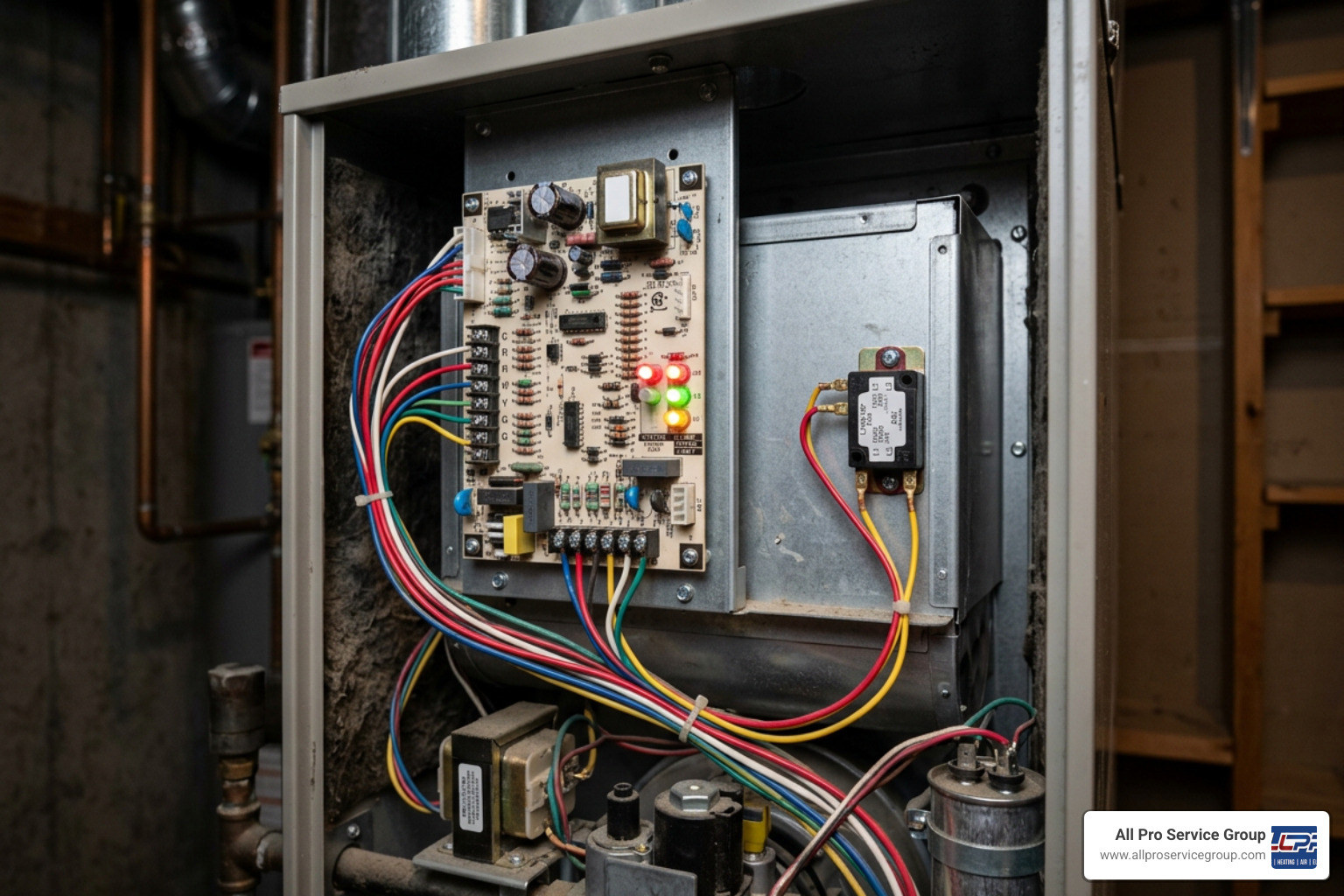
Your furnace requires electricity to run, even if it is a natural gas model. Every gas furnace uses electrical power to operate the draft inducer motor, the blower motor, the control board, and the ignition system.
If the dedicated circuit breaker in your electrical panel trips, or if the furnace power switch (which resembles a standard light switch on or near the furnace cabinet) is accidentally flipped off, your entire system will remain lifeless. Additionally, modern furnaces feature a safety blower door switch that cuts all power if the cabinet door is not tightly latched.
Step-by-Step DIY Troubleshooting Guide
Before you schedule an emergency service call, work through these simple troubleshooting steps in order. This logical sequence is designed to rule out the easiest, zero-cost fixes first.
Checking the Thermostat and Power Supply
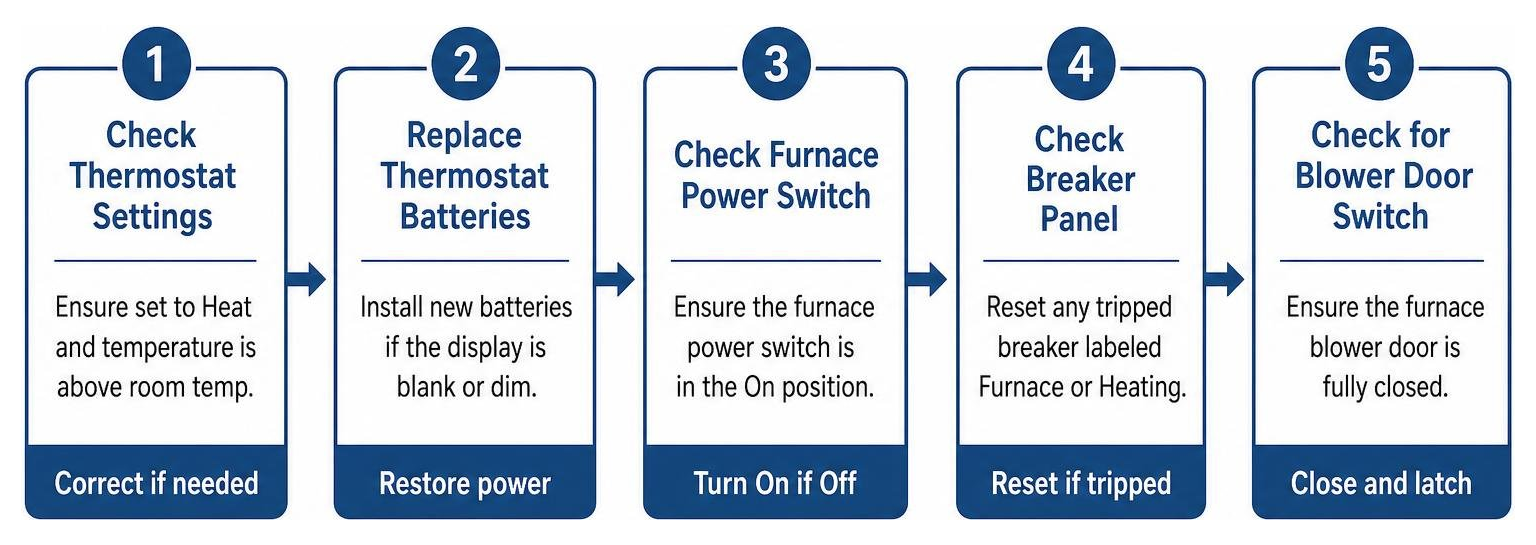
- Verify Settings: Ensure the thermostat is set to "Heat" mode and the target temperature is set at least 5°F above the current room temperature.
- Replace Batteries: If your thermostat display is blank or fading, install a fresh set of batteries.
- Inspect the Power Switch: Locate the switch on the side of your furnace cabinet or on the nearby wall and ensure it is in the "On" position.
- Check the Breaker Panel: Find your home’s main electrical panel and look for the breaker labeled "Furnace" or "Heating." If it is tripped, flip it completely to "Off" and then back to "On."
- Perform a Thermostat Bypass Test: If you suspect the thermostat is broken, turn off the furnace breaker, remove the thermostat cover, photograph the wiring, and gently connect the R (power) and W (heat) wires together. Restore power. If the furnace starts up, your thermostat is faulty and needs replacement. For professional help with this test, you can learn more about Furnace Repair.
- Consult Diagnostic Guides: For deeper electrical and diagnostic steps, check out the Furnace Not Turning On: Complete Diagnostic Guide for Gas and Electric | ServiceMag.
Inspecting and Replacing the Air Filter
- Turn Off Power: Always switch off the furnace power before opening the cabinet.
- Remove and Inspect: Pull out the air filter and hold it up to a light source. If light cannot pass through the fibers, the filter is severely clogged.
- Install a New Filter: Replace it with a clean filter of the correct size, ensuring the airflow arrows point toward the blower motor.
- Understand MERV Ratings: Avoid ultra-restrictive high-MERV filters unless your system is specifically designed for them, as they can restrict airflow even when clean. Clogged ductwork can worsen these airflow restrictions; see how we handle this with Furnace Cleaning Duct.
Clearing Vents and Outdoor Flues
Modern high-efficiency furnaces (90% AFUE or higher) use plastic PVC pipes that vent directly through an exterior wall of your home.
- Locate Exterior Vents: Find the intake and exhaust pipes on the outside of your house.
- Clear Blockages: Ensure these pipes are completely clear of snow, ice, leaves, bird nests, or insect debris. A blocked exhaust pipe will trigger the furnace's internal pressure switch, preventing ignition.
- Check Indoor Registers: Walk through your home and ensure that supply vents and return air registers are not blocked by furniture, heavy drapes, or rugs.
Gas vs. Electric Furnace Troubleshooting
Gas and electric furnaces operate on entirely different principles, which means they experience different failure modes.
| Feature / Issue | Gas Furnace | Electric Furnace |
|---|---|---|
| Primary Fuel Source | Natural Gas or Propane | Electricity |
| Ignition System | Hot Surface Igniter or Pilot Light | Sequencer and Contactors |
| Heating Mechanism | Burners and Heat Exchanger | Electric Resistance Heating Elements |
| Common Failure Points | Dirty Flame Sensor, Failed Igniter, Clogged Condensate | Blown Heating Elements, Bad Sequencer, Tripped Limit |
| Safety Risks | Carbon Monoxide, Gas Leaks, Fire | Electrical Shock, Circuit Overloads, Fire |
Gas Furnace Specific Issues
Gas furnaces rely on a precise sequence of events to light safely.
- Hot Surface Igniter Failure: Modern gas systems use an electronic igniter that glows at temperatures up to 2,000°F. These igniters typically fail after 7 to 12 years of thermal stress. If the igniter does not glow, the gas valve will not open.
- Dirty Flame Sensor: The flame sensor is a thin metal rod that sits in the path of the burner flame. It detects the presence of fire and tells the control board it is safe to keep the gas valve open. If the sensor is coated in carbon buildup, it cannot detect the flame, causing the burners to light for 2–3 seconds and then shut off immediately.
- Condensate Drain Clogs: High-efficiency gas furnaces produce acidic water during the combustion process. If the condensate drain line or trap becomes clogged with algae or debris, a safety switch will trip and lock out the system. You can learn more about safe operation in Understanding Your Gas Furnace Maintenance and Safety Tips from All Pro.
Electric Furnace Specific Issues
Electric furnaces do not use burners or gas valves. Instead, they pass electricity through heavy-duty resistance heating coils.
- Broken Heating Elements: Over time, heating elements can burn out or break. If one element fails, your furnace may still run but will only produce lukewarm air.
- Failing Sequencer: To prevent a massive electrical surge from tripping your home’s main breaker, an electric furnace uses a sequencer to turn the heating elements on one by one. A failed sequencer can prevent some or all of the elements from activating.
- Loose Electrical Connections: High electrical currents generate heat, which can cause wires to expand, contract, and eventually loosen or burn out. For a detailed breakdown of these components, consult our Furnace Repair Guide 2026.
Critical Safety Risks and Warning Signs
Working on heating systems involves inherent risks, including high-voltage electricity, combustible gases, and toxic combustion byproducts. Always prioritize safety over DIY troubleshooting.
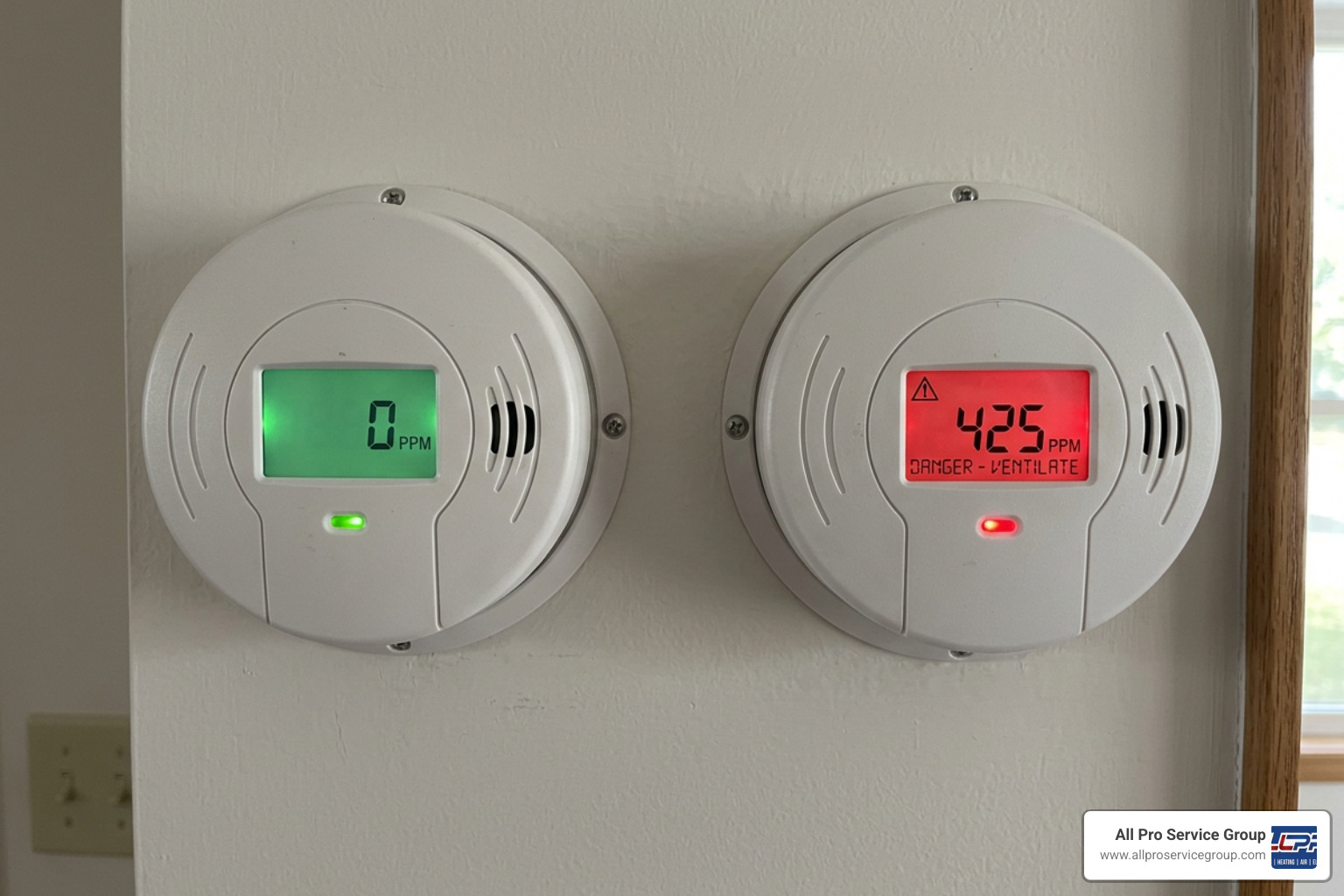
Carbon Monoxide and Cracked Heat Exchangers
Carbon monoxide (CO) is a colorless, odorless, and tasteless gas that can be deadly. Carbon monoxide poisoning from malfunctioning furnaces accounts for approximately 400–500 accidental deaths annually in the United States.
A cracked heat exchanger is the most serious hazard in a gas furnace. The heat exchanger keeps toxic combustion gases separate from the breathable air flowing through your home. If it cracks, carbon monoxide can escape directly into your living spaces.
- Warning Signs: A yellow, flickering burner flame (instead of a steady, crisp blue flame), excessive soot inside the furnace cabinet, or physical symptoms like headaches, dizziness, nausea, and confusion.
- Emergency Protocol: If your carbon monoxide detector sounds, or if you suspect a crack, evacuate your home immediately and call 911. For more information on this critical component, read about our Furnace Repair Heat Exchanger services.
Gas Leaks and Ignition Failures
Natural gas utilities add a chemical called mercaptan to gas lines, giving it a distinctive "rotten egg" smell.
- If You Smell Gas: Do not flip any light switches, use a phone, or light matches inside the house, as a single spark can trigger an explosion. Evacuate immediately and contact emergency services or your gas provider from outside the home.
- Repeated Ignition Failures: Do not continuously reset your furnace if it fails to light. Repeatedly resetting the system can cause unburned gas to accumulate inside the combustion chamber, leading to a loud, dangerous delayed ignition bang when it finally sparks.
Repair vs. Replacement: Making the Decision in 2026
When your furnace breaks down, you must decide whether to pay for repairs or invest in a new heating system.
When to Call an HVAC Professional
While homeowners can easily replace filters and check thermostat settings, you must call a licensed professional for:
- Diagnosing and replacing faulty control boards or blower motors.
- Repairing gas lines, gas valves, or combustion components.
- Replacing hot surface igniters or cleaning internal flame sensors.
- Investigating suspected heat exchanger cracks.
If you live in the Salt Lake Valley, we highly recommend working with licensed local experts. For assistance choosing a trustworthy partner, read our guide on Choosing the Right Provider for Your Professional Furnace Installation.
Signs Your Furnace Needs Replacement
Furnaces older than 15 years are 2–3 times more likely to experience major component failures, such as cracked heat exchangers or ignitor breakdowns.
Consider replacing your furnace if:
- The 50% Rule Applies: The cost of the repair exceeds 50% of the price of a brand-new furnace installation.
- System Age: The furnace is over 15–20 years old.
- Frequent Repairs: You are calling for service multiple times each winter to keep the heat running.
- Safety Hazards: The heat exchanger is cracked or compromised.
To review common indicators of a failing system, check out Is It Time for a Furnace Replacement Signs Utah Homeowners Should Watch For. If replacement is the logical path forward, you can explore our complete Furnace Installation Replacement services, consult our Furnace Installation Complete Guide, and review current costs in our Furnace Installation Price Guide 2026.
Frequently Asked Questions About Furnace Troubleshooting
Why is my furnace blowing cold air?
This is usually caused by incorrect thermostat settings (fan set to "On" instead of "Auto"), a dirty air filter triggering the high-limit safety switch, a dirty flame sensor, or a failed ignitor that prevents the burners from lighting while the blower motor continues to run.
How often should I change my furnace filter?
We recommend replacing standard 1-inch pleated filters every 30 to 90 days. If you have pets, allergies, or a busy household, check the filter monthly. Clean filters protect the heat exchanger from overheating and maintain healthy indoor air quality. To learn more about seasonal maintenance, check out Maximizing Efficiency Annual Tune-Ups for Your Furnace and AC and The Essential Guide to Maintaining Your Utah Home's Furnace and Air Conditioner.
Can I clean my own furnace flame sensor?
We do not recommend cleaning the flame sensor yourself. It requires opening the sealed burner compartment, exposing delicate gas and high-voltage electrical components. A single mistake can crack the porcelain insulator or damage the igniter. This task is best left to professional technicians during your annual furnace tune-up.
Conclusion
A furnace not heating home is a stressful winter emergency, but many issues can be resolved with basic troubleshooting. By checking your thermostat settings, replacing dirty air filters, and verifying your power switches, you can often restore your heating without spending a dime.
However, when DIY troubleshooting is not enough, or if you encounter safety risks like gas odors or carbon monoxide alarms, always contact a professional. Regular furnace maintenance can reduce heating system failures by up to 50% and extend your equipment's lifespan by 5–10 years.
If you are located in the Greater Salt Lake Area, including Ogden, Park City, Provo, South Jordan, West Jordan, West Valley City, or Salt Lake City, All Pro Service Group is here to help. Since 2008, we have provided dependable, Gephardt Approved heating repair, replacement, and inspection services.
Don't stay in the cold — Schedule professional furnace repair with All Pro Service Group or explore our complete range of services on our Heating Air page today.