
Understanding Septic Sump Pumps vs. Standard Pumps
When homeowners hear the word "pump," they often think of the little machine in the basement pit that keeps the floor dry during a rainstorm. While similar in appearance, a septic pump (often called an effluent pump or a lift station pump) has a much tougher job.
A standard sump pump moves relatively clean groundwater away from your foundation. A septic sump pump, however, is designed to move gray water or treated effluent from a pump tank up to a drain field, especially if your leach field is at a higher elevation than your septic tank. In some cases, you might even have a sewage ejector pump, which is designed to handle raw sewage and solids from basement bathrooms.
Understanding how these systems differ is the first step in effective septic sump pump repair. If you use a standard groundwater pump in a septic environment, the corrosive gases and solids will destroy it in short order. Guide on how septic pump systems function effectively shows that using the right equipment for the specific waste type is non-negotiable for system longevity.
Regular plumbing inspections are the best way to determine which type of system you have and whether it's up to modern standards.
Differences Between Vortex, Cutter, and Non-Clog Pumps
Not all pumps move water the same way. When we perform a septic sump pump repair, we often look at the impeller—the spinning part that creates the flow.
- Vortex Pumps: These create a whirlpool (vortex) in the pump housing. This allows solids to pass through without actually touching the impeller, which is great for preventing clogs.
- Cutter Pumps: These feature a stationary cutting ring and a rotating blade. They are designed to chop up solids (like wet wipes or feminine products—which you shouldn't be flushing anyway!) into smaller pieces before they enter the discharge line.
- Non-Clog Pumps: These typically use a large, single-vane impeller that allows bigger solids to pass through the pump body without getting stuck.
Why Septic Pumps Fail in the Greater Salt Lake Area
In the Greater Salt Lake Valley, we face unique environmental challenges. In neighborhoods like Sugar House, the drainage can be sluggish due to older infrastructure and soil composition. Meanwhile, homes in the Avenues or near the base of the mountains often deal with high groundwater levels.
During the spring thaw, snowmelt runoff can saturate the ground, forcing septic pumps to work double-time. This increased "cycling" (turning on and off) wears out the motor and the float switch much faster than in drier climates. If your pump wasn't sized correctly for these Salt Lake surges, it's likely to fail just when you need it most.
Common Signs You Need Septic Sump Pump Repair
Your septic system usually tries to tell you it's unhappy before a full-blown catastrophe occurs. Recognizing these signs early can save you thousands.

High-Water Alarms and Sewage Backups
Most modern pump tanks are equipped with a high-water alarm—a red light or a buzzing sound that triggers when the water level rises past the normal "on" point. If you hear this, stop using water immediately.
A failed pump can lead to a backup, which is more than just a mess; it's a financial hit. Statistics show that a failed drain field or a major sewage backup can reduce a property's value by 10% to 25%. In Utah, where property values are a major part of a family's net worth, keeping your pump healthy is a smart investment.
Unusual Noises and Frequent Cycling
If you hear your pump "thumping" loudly or humming without moving water, the impeller might be seized or the motor might be stuck in "thermal protection" mode. This happens when the motor gets too hot and shuts itself off to prevent a fire.
Frequent cycling—where the pump turns on and off every few minutes—usually points to a failing septic tank float switch replacement need or a faulty check valve. If the check valve fails, the water that was just pumped out flows right back into the tank, triggering the pump to run all over again.
If you notice these issues, our sump pump repair services can help diagnose the problem before the motor burns out completely.
Step-by-Step Troubleshooting for a Septic Sump Pump Repair Emergency
If you find yourself in a "no-flush" situation, don't panic. There are a few things you can check before calling for a professional septic sump pump repair.

DIY Troubleshooting for a Septic Sump Pump Repair Emergency
- Check the Power: It sounds simple, but many "failed" pumps just tripped a breaker or a GFCI outlet. Reset the outlet and check your electrical panel.
- The Piggyback Test: Most pumps use a "piggyback" plug. The pump cord is plugged into the back of the float switch cord, which is then plugged into the wall. Unplug them both, and plug the pump cord directly into the outlet. If the pump starts running, your float switch is the culprit.
- Inspect the Vent Hole: Some pumps require a small 1/16-inch "air bleed" hole in the discharge pipe to prevent airlocks. If this hole is clogged, the pump will spin but won't move water.
- Check the Valve: Ensure the check valve isn't stuck closed, which would prevent effluent from leaving the tank.
For more detailed steps, you can refer to this plumbing repair guide or look at the How to repair a septic system (2026 Guide) for broader system issues.
When to Call a Professional for Septic Issues
While a DIY float switch swap is possible, some things require a pro. If you see scorched wires, smell electrical burning, or if the pump is submerged in a tank that won't drain even when powered, it's time to call us.
In Utah, major septic work often requires permits. Unpermitted work can lead to fines ranging from $500 to $10,000 in some states. While Utah's rural counties vary, the Greater Salt Lake area has strict health department codes to protect our groundwater. Using a licensed contractor ensures your septic sump pump repair is legal and safe.
Professional Septic Sump Pump Repair vs. Replacement
The big question every homeowner asks is: "Do I fix it or flip it?"
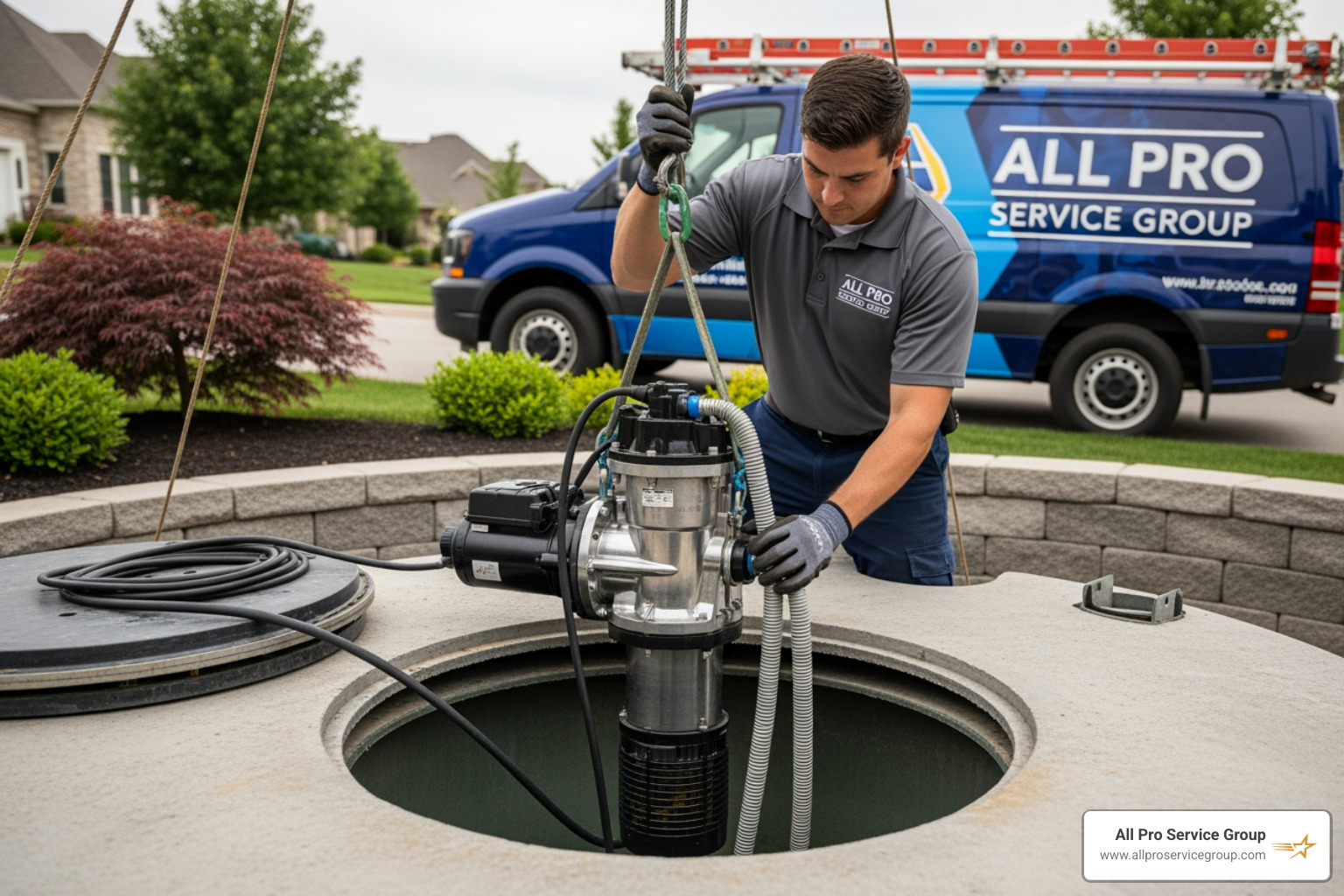
A high-quality sewage or effluent pump typically lasts between 7 and 15 years. If your pump is only 3 or 4 years old, a repair—like replacing a capacitor or a float—is usually the way to go. However, if the pump is over 10 years old and the motor has seized, replacement is often more cost-effective than a complex rebuild.
Cost Factors and Permit Requirements
Let's talk numbers. According to national averages for May 2026:
- Minor Septic Repair:$1,500–$5,000 (often involving pipe work or tank sealing).
- Pump Replacement:$800–$2,500 (depending on the horsepower and brand).
- Drain Field Work:$15,000+ (this is what happens if you ignore a failed pump!).
Regular maintenance, which usually costs around $200, can prevent these $3,000+ emergency bills.
Choosing the Right Replacement Pump
If we determine a replacement is necessary, we look at three factors:
- Horsepower (HP): Most residential systems use 1/2 HP or 4/10 HP pumps. Too much power can actually damage your pipes.
- Voltage: Is your outlet 115V or 230V? Plugging a 230V pump into a 115V outlet will result in a pump that doesn't move.
- Head Pressure: This is how high the pump has to "lift" the water. If your drain field is 20 feet above your tank, you need a pump rated for that specific "head."
Maintenance and Prevention Strategies
The best septic sump pump repair is the one you never have to do. We recommend a professional service every 1 to 2 years.
- Clean the Effluent Filter: This prevents solids from reaching the pump and clogging the impeller.
- Grease Management: Never pour grease down the drain. It solidifies in the tank and can "cake" onto the float switches, preventing them from rising and falling.
- Watch What You Flush: No "flushable" wipes, paper towels, or feminine products. These are the leading causes of pump clogs in West Valley City and Provo.
- Test the Alarm: Once every few months, manually lift the alarm float (using a pole or hook) to make sure the buzzer still works.
By following these plumbing maintenance tips, you can extend the life of your pump by several years.
Frequently Asked Questions
How long does a septic sump pump typically last?
Most pumps last 7 to 15 years. In the Salt Lake area, factors like high mineral content in the water and heavy spring runoff can push that toward the lower end of the range if the system isn't maintained.
Can I replace a septic pump float switch myself?
Yes, if you're comfortable working around electricity and don't mind the smell. A replacement piggyback switch is often a $20 to $50 fix. However, if the switch is hard-wired into a control panel, we strongly recommend calling a professional to avoid electrical shocks or wiring errors.
What is the average cost of a septic pump repair in 2026?
While costs vary, a typical professional repair (like a switch replacement or clearing a major clog) usually runs between $300 and $600. A full replacement usually starts around $800 and can go up to $2,500 for high-end grinder pumps.
Conclusion
Your septic pump is the heart of your home's waste management system. When it stops, everything stops. From the historic homes in the Avenues to the newer developments in South Jordan, All Pro Service Group has been the "Gephardt Approved" choice for Salt Lake homeowners since 2008.
We pride ourselves on dependable repair, honest inspections, and expert replacement. Don't wait for the alarm to sound or the drains to gurgle. Whether you need an emergency septic sump pump repair or just a routine check-up to keep your system running smoothly, we are here to help.
Schedule your professional plumbing repair today and let our experts ensure your home stays dry and your septic system stays functional for years to come.