Understanding the Downflow Furnace Plenum and Airflow Dynamics
To understand the downflow furnace plenum, you first have to understand how air moves through your home. In a standard upflow furnace (common in basements), the air is sucked in at the bottom and pushed out the top. A downflow furnace does the exact opposite. It pulls air in from the top and blasts it downward. Because of this, the supply air plenum—the "distribution hub" for your heat—must sit directly underneath the unit.
Think of the plenum as the traffic director of your HVAC system. It is a pressure-controlled zone where air gathers after being heated. Without a properly sized plenum box, the air would have nowhere to "pool" before being pushed into the individual duct branches. This creates a state of positive pressure, ensuring that the air reaches the furthest bedroom in your house with the same velocity as the room right next to the furnace.
In the Greater Salt Lake Area, we often see these units in specific scenarios:
- Attic Installations: Where the furnace is above the living space and needs to push heat down into the ceiling vents.
- Second-Floor Closets: Common in multi-story homes in West Jordan or South Jordan where there is no basement.
- Manufactured Homes: Where the ductwork is located in a crawl space beneath the floor.
When the furnace is running, the plenum itself becomes a heat source. It warms up as the air passes through, radiating heat into the surrounding structure. This is why proper clearance and insulation are so vital—you want that heat going into your ducts, not your closet walls. For more on how these systems integrate into your home, check out The Essential Guide to Maintaining Your Utah Home's Furnace and Air Conditioner.
Selecting the Right Downflow Furnace Plenum Size
Size matters—a lot. If your plenum is too small, you are essentially putting a chokehold on your furnace. Research shows that even a 10-20% undersized supply plenum can significantly degrade the performance of a high-efficiency HVAC system. It causes the blower motor to work harder, leading to premature failure and higher utility bills.
When we select a plenum at All Pro Service Group, we start with the furnace cabinet width. Standard widths include:
- 14-inch (A Casing)
- 17.5-inch (B Casing)
- 21-inch (C Casing)
- 24.5-inch (D Casing)
The plenum must match these dimensions to ensure a flush, leak-proof fit. However, it isn't just about the width; you also have to consider the CFM (Cubic Feet per Minute) rating of your blower and the static pressure of your duct system. If you are planning a new install, our Furnace Installation Price Guide 2026 can help you budget for the right components.
Connecting Your Downflow Furnace Plenum to Ductwork
The connection point between the furnace and the plenum is where most DIY mistakes happen. For a secure, code-compliant fit, the flange (the "lip" of the metal) around the top of the plenum should be a minimum of 7/8-inch and a maximum of 1-1/4 inches. This provides enough surface area for a tight seal without obstructing the airflow path.
In many modern Utah homes, especially those with tight crawl spaces or complex layouts, you might need to transition from the square plenum box to round flexible ductwork. This is where square-to-round adapters come into play. Components like the FloAire | Downturn Plenum are often used in commercial or specialized residential setups to manage these transitions while maintaining high airflow efficiency.
Sizing and Material Requirements for a Downflow Furnace Plenum
Most residential downflow furnace plenums are constructed from G90 galvanized steel. This material is preferred because it is durable, resistant to corrosion from moisture (especially important if you have an AC coil attached), and provides excellent heat transfer.
Insulation is the next critical factor. In our dry Utah climate, temperature swings can be extreme. An uninsulated plenum in a cold attic will lose a massive amount of heat before it ever reaches your registers. Furthermore, during the summer, a cold plenum in a hot attic will sweat, leading to water damage and mold.
| Furnace Casing Width | Floor Opening Width | Plenum Opening Width |
|---|---|---|
| 14-3/16" (A) | 14-3/16" | 19" |
| 17-1/2" (B) | 17-1/2" | 19" |
| 21" (C) | 21" | 19" |
| 24-1/2" (D) | 24-1/2" | 19" |
Note: The 19" depth is a standard measurement for many residential downflow configurations, but always verify with your specific manufacturer's manual.
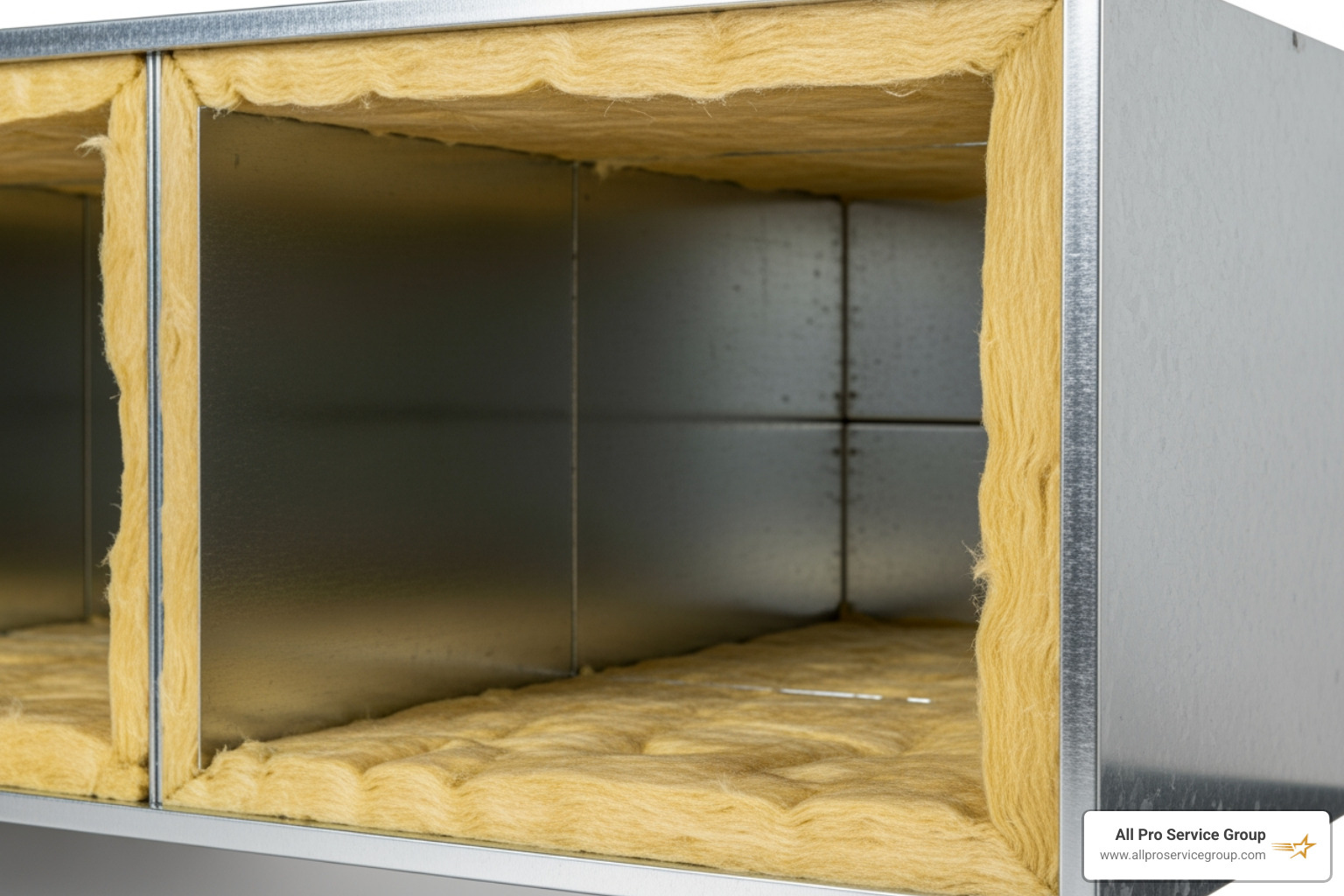
We typically recommend at least 1/2" or 1" internal insulation. This not only prevents condensation and energy loss but also acts as a muffler, reducing the "whoosh" sound of the air when the furnace kicks on.
Step-by-Step Installation: Attaching a Plenum to a Subbase
If you are installing your furnace on a wood floor (or any combustible material), you cannot simply cut a hole and drop the furnace down. You must use a combustible floor subbase kit. This kit acts as a fire-rated barrier between the hot furnace and your home’s wooden structure.
Here is the general workflow our experts follow:
- Cut and Frame the Opening: Use the dimensions from the table above. You may need to cut floor joists; if you do, ensure they are properly tied into adjacent joists for structural integrity.
- Assemble the Subbase: Most kits come with adjustable rails. Align these to match your furnace's casing width and fasten them securely.
- Apply Insulation Strips: Use double-sided tape to apply factory-provided insulation strips to the rails and the top of the plenum flange. This creates the airtight seal you need.
- Position the Subbase: Place the subbase over the floor opening. Ensure the locating tabs are positioned correctly to hold the furnace in place.
- Insert the Plenum: Slide the downflow furnace plenum into the subbase. Check that the flange dimensions meet the 7/8" to 1-1/4" requirement.
For a deeper look at the full furnace setup, see our Furnace Installation Complete Guide.

Sealing and Insulating Your Downflow Furnace Plenum for Maximum Efficiency
Even the best-fitting plenum will have tiny gaps at the seams. In the HVAC world, these gaps are "energy thieves." We use a combination of professional-grade mastic sealant and aluminum foil tape to close every possible leak.
Why Mastic over Duct Tape? Standard duct tape (the silver stuff from the hardware store) dries out and peels off within a few years due to the constant thermal expansion and contraction of the metal. Mastic is a thick, gooey paste that hardens into a flexible, permanent seal.
Proper sealing prevents:
- Air Leakage: Keeping the air you paid to heat inside the ducts.
- Dust Pull: Preventing the system from sucking in attic dust or insulation fibers.
- Noise: Reducing the whistling caused by air escaping through small cracks.
If you notice your furnace is running longer than it used to, it might be losing air at the plenum. Check out our guide on Is It Time for a Furnace Replacement? Signs Utah Homeowners Should Watch For to see if a simple reseal could save your system.
Troubleshooting Common Downflow Furnace Plenum Issues
When a downflow furnace plenum isn't installed correctly, the symptoms are usually hard to miss.
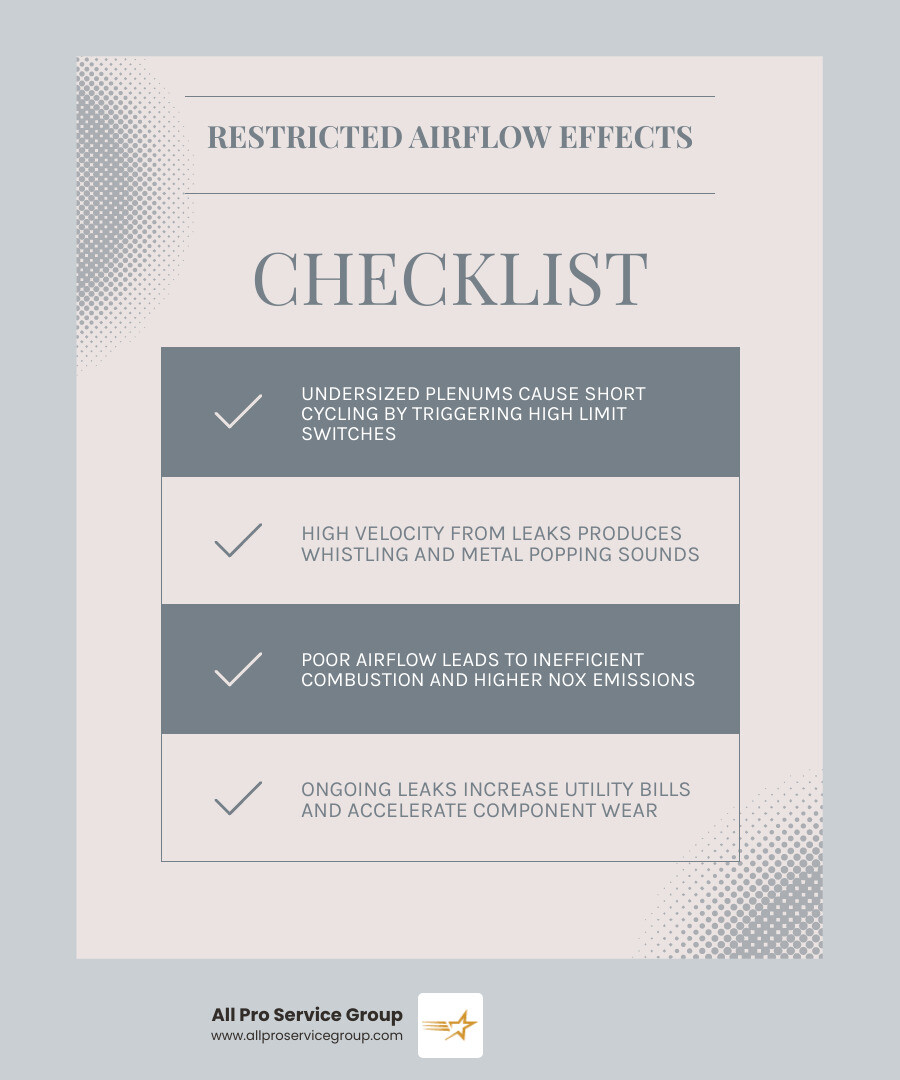
1. Short Cycling and Overheating If the plenum is undersized, the heat can't escape the furnace fast enough. The internal temperature rises until it hits the "high limit switch," which shuts the burners off to prevent a fire. This constant on-off cycle (short cycling) destroys your components.
2. Whistling or Booming Sounds A whistling sound usually indicates a leak or an undersized plenum creating too much velocity. A "booming" or "oil-canning" sound happens when the metal is too thin or poorly supported, causing it to pop in and out when the pressure changes.
3. High NOx Emissions and Poor Combustion While often discussed in industrial settings, the physics of airflow apply to home units too. Scientific research on down-fired airflow characteristics shows that improper air distribution can lead to inefficient combustion. In industrial down-fired boilers, technologies like Over-Fire Air (OFA) are used to reduce NOx emissions by up to 50%. In your home, a well-designed plenum ensures the blower moves enough air to keep the combustion process clean and efficient.
Frequently Asked Questions about Downflow Plenums
Why is a subbase required for downflow plenums on wood floors?
Safety is the number one reason. A furnace generates intense heat. If that heat is in direct contact with wood flooring or floor joists, it creates a fire hazard. A certified subbase provides the necessary clearance and acts as a heat shield, ensuring your installation meets local Utah building codes.
What happens if my downflow plenum is undersized?
An undersized plenum creates high static pressure. This forces the blower motor to work at its maximum capacity, which leads to early motor burnout. It can also cause your AC coils to freeze in the summer because there isn't enough airflow to keep the refrigerant from getting too cold.
How often should I inspect my furnace plenum for leaks?
We recommend a visual inspection once a year during your annual maintenance. Look for "dust "—dark streaks near the joints—which indicates air is escaping. If you see your utility bills spike or notice a sudden increase in dust around your home, it’s time for a professional pressure test.
Conclusion
Mastering the installation of a downflow furnace plenum is all about precision. From choosing the right G90 galvanized steel to ensuring your subbase is A.G.A. certified, every detail contributes to the longevity of your heating system. Whether you are in Ogden, Park City, or Salt Lake City, the principles of proper sizing, sealing, and insulation remain the same.
At All Pro Service Group, we pride ourselves on being "Gephardt Approved" and providing the Greater Salt Lake Area with dependable, expert HVAC services since 2008. If you’re worried about your plenum or need a professional to handle the heavy lifting, we are here to help.
Ready to ensure your home stays warm and efficient all winter long? Contact us for a professional Furnace Installation & Replacement consultation today. We’ll make sure your plenum is more than just a metal box—it’ll be the heart of a high-performance heating system.