
Find the Right Tankless Water Heater Recirculation Pump
A hot water recirculating pump for tankless water heater systems moves cooled water from the hot-water line back to the heater, so hot water reaches distant faucets much faster. The best choice depends on your plumbing: use a dedicated return-line system when your home has return piping, or a crossover bypass valve and on-demand pump when it does not.
For most homes, an on-demand or temperature-controlled system is the smarter option. It runs only when you need hot water, unlike a pump that circulates all day. That helps limit energy loss while cutting the water sent down the drain during the wait.
A recirculation setup can save an estimated 12,000 to 15,000 gallons of water each year. It can also reclaim part of the roughly 26 hours many households spend waiting for hot water annually. But the wrong pump, loop design, or control setting can cause extra energy use, short cycling, or compatibility problems with a tankless unit.
I am Gary Leany with All Pro Service Group, serving Greater Salt Lake homeowners with plumbing repairs, replacements, and system inspections since 2008. In this guide, I will help you compare each hot water recirculating pump for tankless water heater option and identify the setup that fits your pipes, heater, and daily routine.
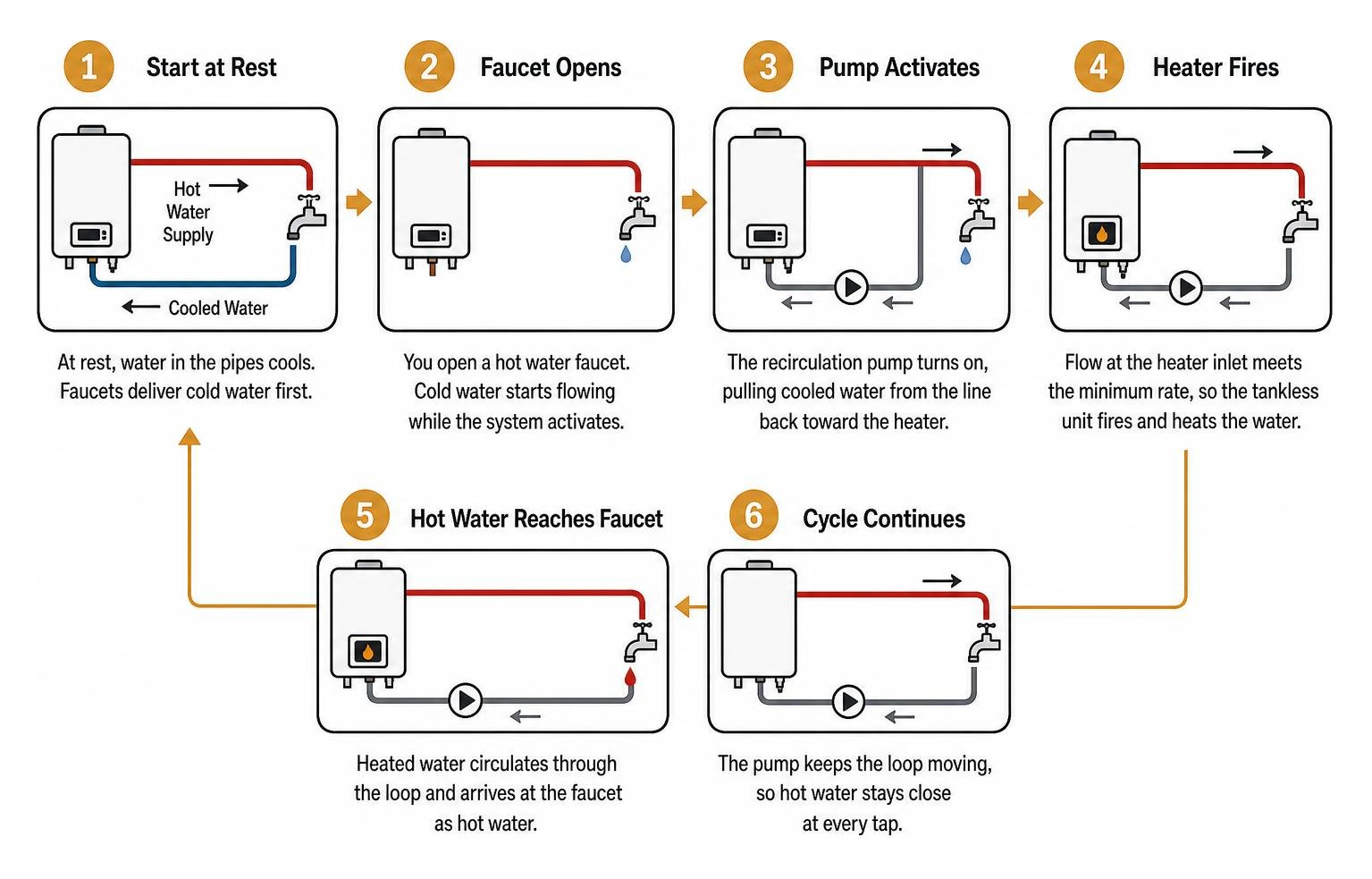
How a Hot Water Recirculating Pump for Tankless Water Heater Systems Operates
Standard storage tank water heaters keep 40 to 80 gallons of water hot 24/7. In contrast, a tankless unit heats water instantly as it moves through high-efficiency heat exchangers. When you turn on a fixture, a flow sensor inside the unit detects water movement and fires up the gas burner or heating elements.
Without active circulation, the water resting in your distribution pipes cools down to room temperature. When you open a distant tap, you have to flush all that resting cold water down the drain before newly heated water reaches your faucet. Tankless units can also produce a brief temperature fluctuation—commonly called a "cold-water sandwich"—when someone briefly turns a faucet off and right back on, causing cold water to slip past before the burner reignites.
A recirculation system eliminates this delay by keeping heated water moving through the supply lines. When activated, the circulator creates a pressurized loop, pushing the stagnant water back toward the heater's inlet. Because tankless units require a minimum flow rate (typically 0.4 to 0.8 gallons per minute) to trigger their ignition sequence, the pump must generate enough continuous flow and pressure to keep the burner operating properly.
To understand the core mechanics of tankless technology, check out our Tankless Water Heater Complete Guide.
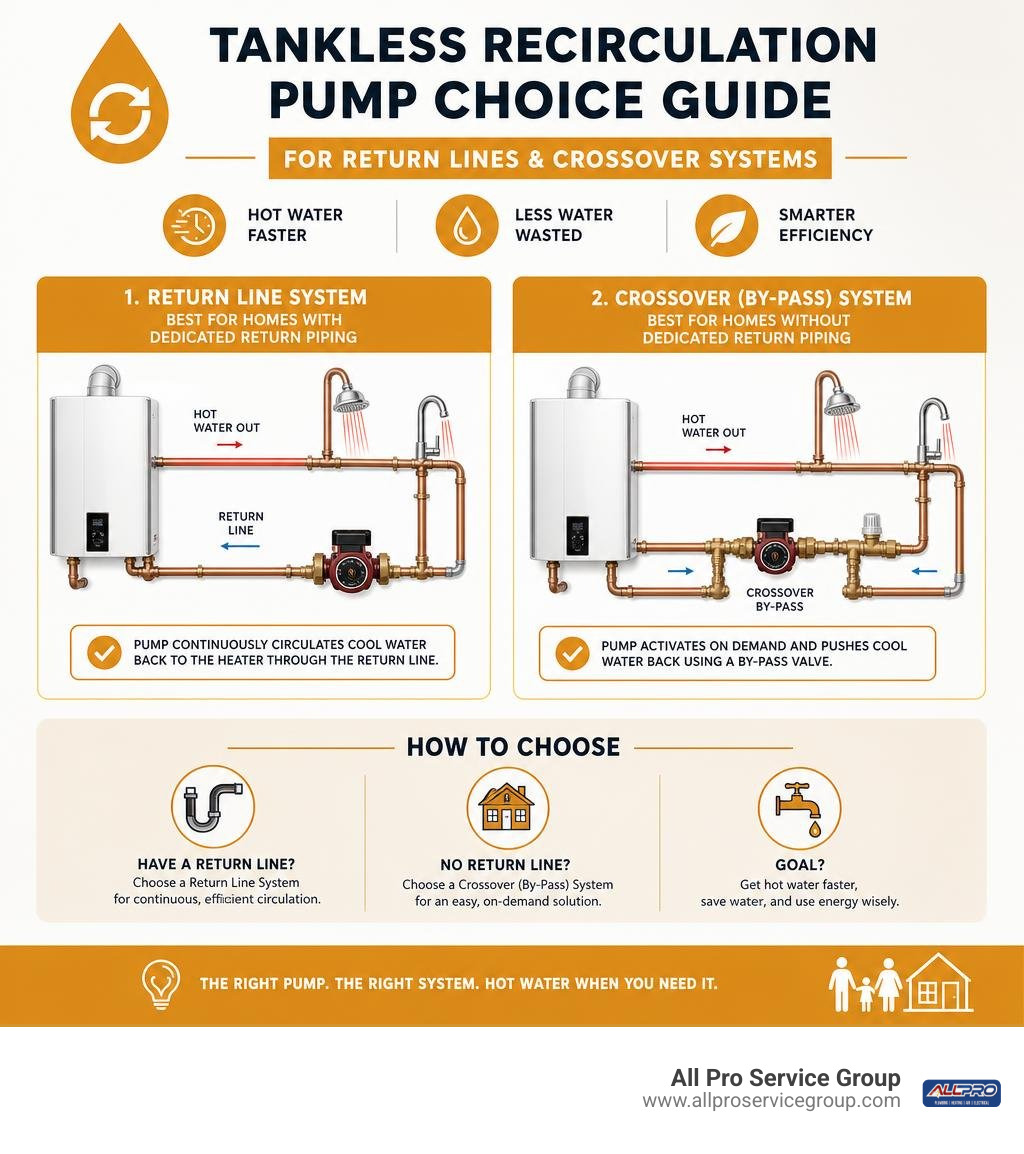
Dedicated Return Lines vs. Crossover Bypass Valves
When configuring your system, your existing plumbing layout determines the path the recirculated water travels:
1. Dedicated Return Line Plumbing
In homes built with a dedicated return pipe, a separate plumbing line runs from the farthest bathroom fixture directly back to the cold-water inlet of the tankless heater. The circulator installs on this dedicated pipe.
- How it works: The pump pulls water from the hot supply line and sends it directly back to the heater along its own pipe.
- Benefits: Cold-water lines stay completely isolated and cold; loop lengths can extend up to several hundred feet without pressure drops.
- Best for: New home construction or major renovations with exposed wall framing.
2. Crossover Bypass (Bridge Valve) Systems
Most existing homes feature "dead-end" branch plumbing, where hot and cold supply pipes end at the fixture with no return path. Installing a new dedicated pipe through finished walls can be disruptive. A crossover thermal bypass valve solves this problem by using the existing cold-water supply pipe as the temporary return line.
- How it works: A thermal bypass valve mounts beneath the sink farthest from the heater, connecting the hot and cold supply stops. When the pump runs, the valve opens to push cooled standing water into the cold line and back to the heater. Once water reaching the valve hits roughly 95°F to 105°F, an internal thermal actuator snaps shut to stop the crossover.
- Benefits: Requires zero wall tearing, zero repiping, and installs in under an hour.
- Best for: Retrofitting existing homes. If you notice leaks around aging supply lines during installation, our team provides reliable Plumbing / Water Line Repair to secure your plumbing.
Recirculation System Configurations and Sizing Guidelines
Recirculation systems use different control methods to balance immediate comfort with energy efficiency:
| Recirculation Method | How It Triggers | Average Daily Run Time | Energy & Gas Efficiency | Ideal Plumbing Match |
|---|---|---|---|---|
| Timer-Based | Mechanical or digital 24-hour clock schedules | 4 to 8 hours | Moderate (runs during scheduled blocks regardless of use) | Dedicated return lines with insulated pipes |
| On-Demand (Flow/Sensor) | Push button, motion sensor, or quick tap turn-on | 10 to 30 minutes total | Highest (runs only seconds before actual water use) | Dead-end plumbing with crossover bypass valves |
| Temperature-Controlled (Aquastat) | Shuts off when return loop reaches preset target | Intermittent duty cycles | High (prevents overheating and pipe wear) | Both dedicated return loops and bridge valve setups |
Built-in vs Add-On Hot Water Recirculating Pump for Tankless Water Heater Options
You can implement recirculation through two primary equipment approaches:
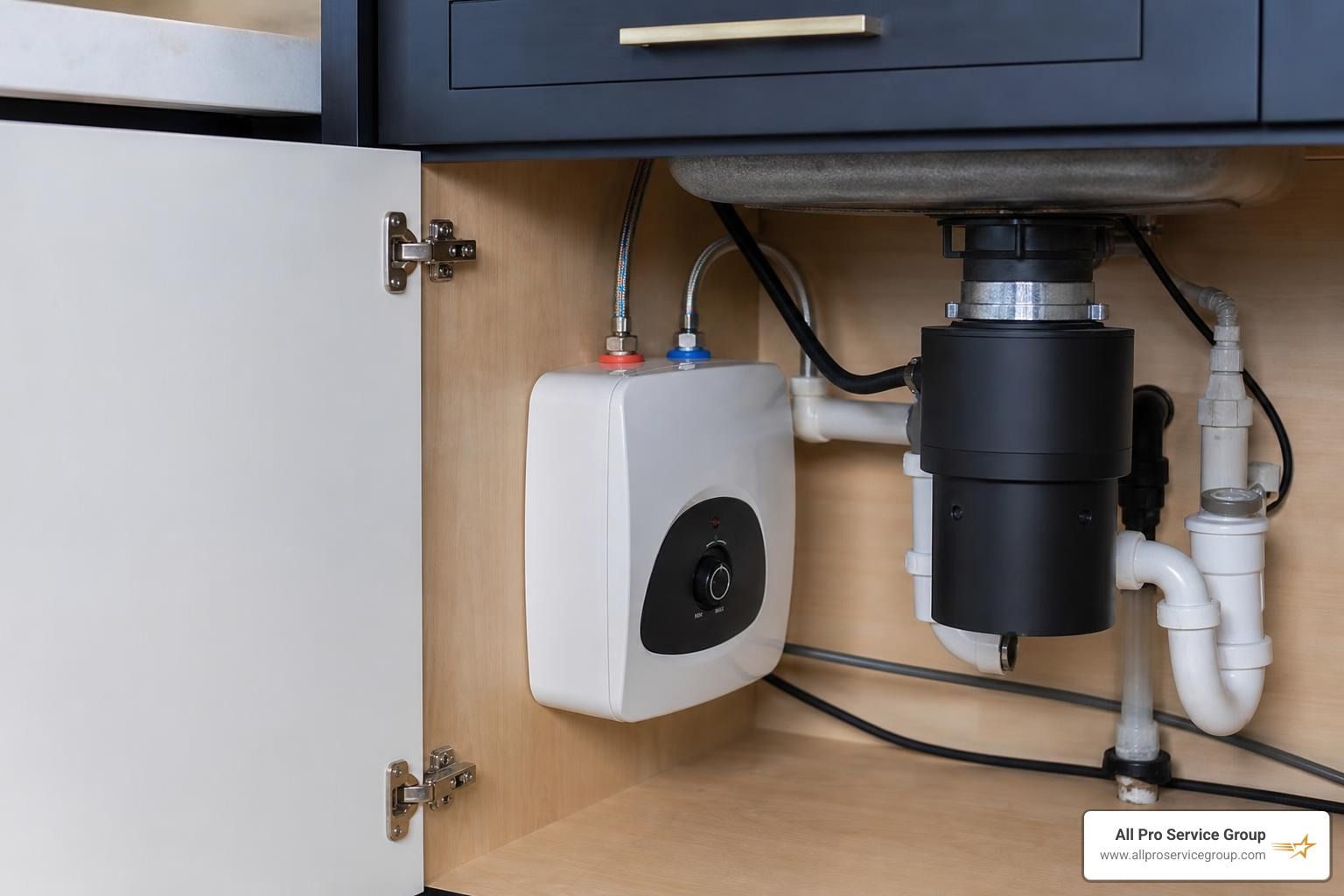
- Integrated Units (Factory Built-In): Units such as modern condensing tankless heaters include an internal circulator pump, check valves, and a small internal buffer tank. The buffer tank eliminates cold-water sandwiching by mixing incoming supply water before it hits the heat exchanger. Many top-tier integrated models support exceptional loop lengths; for example, select Noritz NRCR specifications allow a 1/2-inch pipe loop up to 200 feet or a 3/4-inch loop up to 500 feet.
- Aftermarket Add-On Kits: If you have a standard tankless unit without an internal pump, aftermarket kits provide an external circulator, flow managers, and bypass valves. When selecting an aftermarket pump, prioritize models constructed with lead-free brass or stainless steel pump heads to prevent corrosion and protect drinking water quality.
Sizing a Hot Water Recirculating Pump for Tankless Water Heater Setups
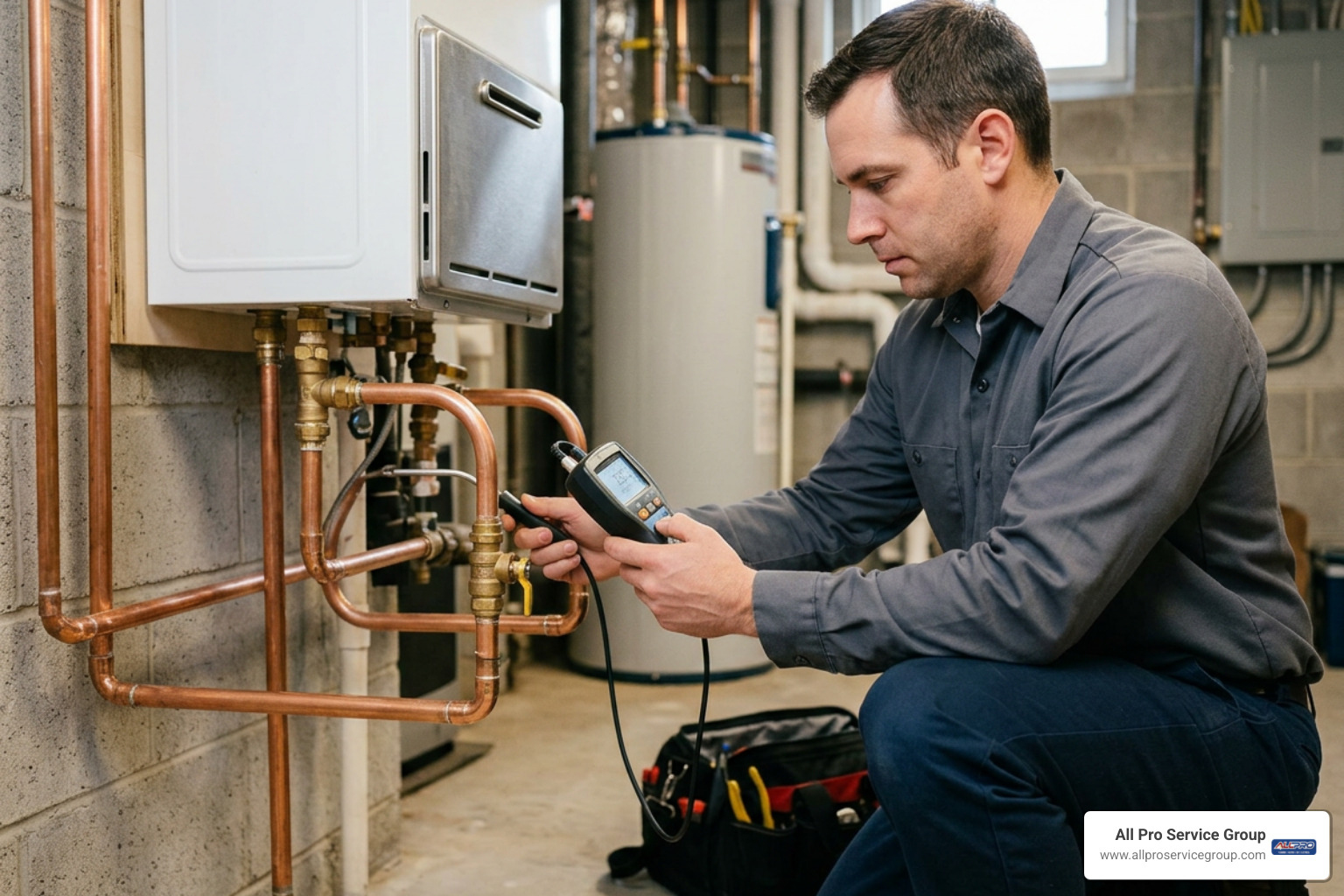
Proper sizing ensures the pump overcomes friction loss while meeting the tankless heater's minimum firing rate:
- Calculate Total Equivalent Pipe Length: Measure the linear distance from the water heater to the farthest fixture and back. Add equivalent length allowances for every 90-degree elbow (roughly 2 to 3 feet per fitting) and tee.
- Determine Head Loss (Feet of Head): Smaller diameter pipes (such as 1/2-inch copper or PEX) create significantly more friction resistance per foot than 3/4-inch lines. Use a friction loss chart to calculate the total head resistance your pump must overcome.
- Verify Flow Rate (GPM): Ensure the pump delivers between 1.5 and 4.0 GPM at your calculated head lift. This ensures positive activation of the tankless flow sensor without causing excessive flow velocities that could erode copper pipe walls over time.
Smart Timers, Aquastats, and On-Demand Controls
Modern smart controllers eliminate constant pump operation. Advanced controllers, such as the Smart Aquastat Control 32, monitor absolute loop temperature and hot-water draws, activating the circulator only when water in the line drops below a programmed threshold.
You can trigger on-demand systems using:
- Hardwired or RF Push Buttons: Mounted by bathroom vanities or kitchen sinks to initiate a 60-second purge cycle.
- Passive Infrared (PIR) Motion Sensors: Placed in bathrooms to detect occupancy and prime the line before you reach for the tap.
- Smartphone Wi-Fi Integration: Allows custom scheduling, vacation modes, and voice assistant integration.
Key Benefits, Annual Water Savings, and Efficiency Impact
Adding an optimized recirculation system delivers substantial household advantages:
- Massive Water Conservation: The typical home wastes up to 12,000 to 15,000 gallons of tempered water annually down the drain while waiting for hot water.
- Time Savings: Eliminates the average 26 hours per year spent standing at sinks waiting for water to warm up.
- Plumbing Protection: Insulating hot water supply lines reduces heat loss and limits the thermal expansion cycling that can stress plumbing joints.
- Lower Utility Waste: Running on-demand cycles keeps your tankless burner from firing unnecessarily throughout the day, preserving fuel and reducing electricity consumption.
Step-by-Step Installation Best Practices and Common Pitfalls
Follow these essential plumbing practices during installation:
- Install Spring-Loaded Check Valves: Always install a directional spring check valve on the return line. This prevents cold water from back-feeding into the hot distribution line during normal domestic water draws.
- Prevent Thermal Siphon Loops: Without a check valve or smart aquastat, natural convection can circulate hot water unassisted through the loop, radiating heat through the walls and causing your tankless heater to short-cycle continuously.
- Purge All Air Pockets: Air trapped in the circulator housing can destroy water-lubricated ceramic bearings within minutes. Always purge the recirculation loop thoroughly before applying electrical power.
- Electrical Safety and Grounding: Power the pump using a dedicated 115V GFCI outlet installed according to local electrical codes.
- Routine Descaling: Minerals accumulate faster in recirculating loops due to continuous fluid movement. Routine servicing, including regular Flushing Tankless Water Heater maintenance, prevents scale build-up inside the heat exchanger.
Frequently Asked Questions About Tankless Recirculation
How long does a tankless recirculation pump last and what maintenance is needed?
Quality stainless steel and bronze recirculating pumps typically last between 10 and 15 years. Maintenance involves annually cleaning the inline sediment screen, checking O-ring seals for leaks, and descaling the wet rotor assembly during regular water heater maintenance.
Does adding an aftermarket recirculation pump void my water heater warranty?
In most cases, no—provided the pump is installed according to the manufacturer's piping guidelines, operates within recommended flow velocity limits, and incorporates a temperature or on-demand control to prevent continuous, 24/7 firing of the burner.
Can I install a recirculation system if my home has dead-end plumbing?
Yes. You can install an aftermarket on-demand pump kit paired with an under-sink crossover bypass valve. This setup temporarily uses your existing cold-water pipe as the return path, delivering rapid hot water without adding dedicated return lines behind your walls.
Conclusion
Choosing the right recirculation system eliminates long waits for hot water while preventing thousands of gallons of clean water from going to waste. By matching the right pump capacity, plumbing layout, and on-demand controls to your home's layout, you can enjoy fast, reliable comfort at every faucet.
If you are ready to upgrade your home's comfort, contact All Pro Service Group to schedule a professional evaluation. Our team can inspect your existing setup, recommend the best equipment for your layout, and provide expert Plumbing / Tankless Water Heater Installation throughout the Greater Salt Lake Area.