Why a Clean AC Condenser Makes a Real Difference This Summer
Clean AC condenser coils are one of the simplest things you can do to keep your air conditioner running well — and one of the most overlooked.
Here's how to clean your AC condenser coils in 6 steps:
- Turn off power at the breaker or disconnect box
- Remove the outer casing with a screwdriver
- Clear debris with a soft brush or vacuum
- Apply coil cleaner and let it sit for the recommended dwell time
- Rinse from the inside out using a garden hose on a gentle setting
- Reassemble and restore power, then test the unit
That's the short version. The sections below walk you through each step safely and in detail.
Your outdoor AC unit works hard — especially during a Salt Lake Valley summer. Over time, dust, pollen, cottonwood fluff, grass clippings, and other debris build up on the condenser coils. When that happens, your AC can't release heat efficiently. It runs longer, uses more energy, and wears out faster.
The good news? Regular cleaning can improve efficiency by up to 30% and extend the life of your unit by 20% or more. One homeowner even reported a 35% drop in wattage immediately after cleaning coils that hadn't been touched in years.
I'm Gary from All Pro Service Group, and since 2008 I've helped homeowners across the Greater Salt Lake Valley get more out of their AC systems — including countless calls that started with dirty condenser coils that a clean AC condenser cleaning could have prevented. Let's walk through exactly what you need to know to do this right.

Understanding Your AC Condenser Coils and Their Function
To understand why you need to clean AC condenser coils, you first need to know what they actually do. Think of your air conditioner not as a machine that "creates cold," but as a machine that "moves heat."
The condenser coils are located in the outdoor portion of your central air system. Their primary job is heat exchange. Inside these coils, a substance called refrigerant carries heat that was absorbed from inside your home. As the outdoor fan pulls air across the aluminum fins attached to these coils, the heat dissipates into the outside air. This process turns the high-pressure refrigerant gas back into a liquid so it can head back inside to cool your home again.
Because these coils are outside, they are naked to the elements. They are essentially a radiator for your house. If those thin aluminum fins are plugged with dirt, the heat stays trapped in the refrigerant. This forces the compressor to work twice as hard to achieve the same cooling effect. Proper Air Conditioner Maintenance ensures this heat transfer happens effortlessly, keeping your home cool without straining the equipment.
Why Regular Maintenance is Essential for Efficiency
We often tell our customers in Salt Lake City and West Jordan that a dirty AC is an expensive AC. The statistics regarding a clean AC condenser are eye-opening:
- Efficiency Boost: Cleaning your coils can improve your unit’s efficiency by up to 30%.
- Longevity: Regular maintenance can extend the life of an AC unit by 20% or more.
- Immediate Impact: One user reported an immediate 35% reduction in wattage usage on their AC condenser after a thorough cleaning.
When you ignore your coils, you aren't just risking a breakdown; you're voluntarily paying higher utility bills. By Maximizing Efficiency: Annual Tune-Ups for Your Furnace and AC, you ensure that every dollar you spend on electricity actually goes toward cooling your home rather than fighting through a layer of grime.
Potential Annual Savings Based on Cleaning Frequency
| Cleaning Frequency | Average Energy Savings | Potential Annual Cost Savings |
|---|---|---|
| Every 3 Months | 15% | $150 |
| Every 6 Months | 10% | $100 |
| Once a Year | 5% | $50 |
Signs and Frequency: When to Take Action
How do you know it's time to clean AC condenser units? Usually, your system will try to tell you something is wrong before it quits entirely.
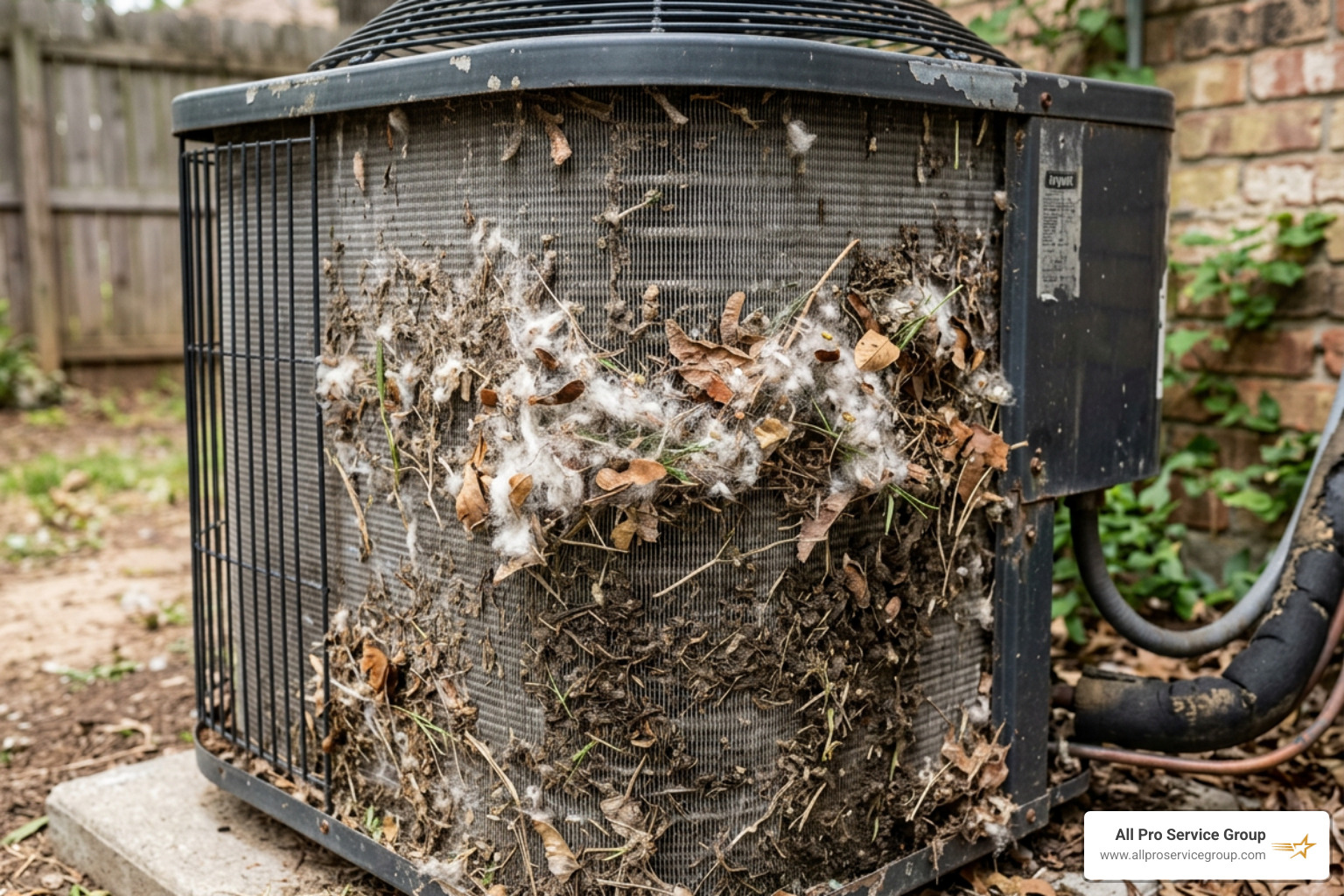
One of the most obvious signs is a spike in your energy bills that doesn't match a change in weather. If the unit is running longer cycles just to keep the house at 72 degrees, the coils are likely the culprit. You might also notice ice formation on the refrigerant lines or the outdoor coil itself. This happens because the system can't shed heat properly, causing the internal temperatures to drop below freezing.
Another critical factor is the environment around the unit. We recommend maintaining at least a 2-foot clearance around the outdoor unit. If you have bushes, tall grass, or "cottonwood snow" blowing around your yard in the Greater Salt Lake Valley, your coils will clog much faster. For those living in these conditions, Comprehensive Air Conditioning Services All Pro Offers Utah Residents can help identify hidden issues that a simple DIY cleaning might miss.
Signs You Need to Clean AC Condenser Units
- Reduced Airflow: The air coming out of your vents feels weak or isn't as cold as it used to be.
- Warm Air: The outdoor unit is blowing air that isn't significantly warmer than the ambient air (meaning it's not successfully removing heat from the house).
- Unusual Noises: A struggling compressor often makes more noise than a healthy one.
- Visible Grime: If you can see a "blanket" of dust or hair on the fins, it's definitely time.
How Often to Clean AC Condenser Coils
For most homes in Ogden or Provo, a thorough annual cleaning in the spring is sufficient. However, if you live near an unpaved road or have heavy-shedding pets, you might need to check them quarterly. "Cottonwood season" in Utah is particularly brutal on AC units; the white fluff acts like a sweater for your AC, and we often suggest a quick rinse after the fluff stops falling to keep things clear.
Essential Tools and Choosing the Right Cleaner
Before you start, you'll need to gather a few specific items. Don't worry; most of these are standard garage staples.
- Screwdriver or Nut Driver: To remove the outer protective panels.
- Soft Brush or Vacuum: A shop vac with a brush attachment is great for removing loose surface debris.
- Garden Hose: Use a standard nozzle, not a pressure washer.
- Fin Comb: This specialized tool helps straighten any bent aluminum fins, which is vital for airflow.
- Coil Cleaner: You have two main choices here—foaming and non-foaming.
When choosing a cleaner, many professionals and DIYers opt for products like Simple Green Foaming Coil Cleaner. Foaming cleaners are excellent for outdoor units because the foam expands deep into the fins, pushing dirt outward. Non-foaming cleaners are often gentler but may require more manual scrubbing. For more tips on preparing your system for the heat, check out our Summer Maintenance Tips to Avoid Unexpected HVAC guide.
How to Safely Clean AC Condenser Coils
Safety is the most important part of this process. You are dealing with electrical components and delicate metal fins.
The first rule of HVAC maintenance: Turn off the power. You should shut off the power at the outdoor disconnect box (usually a small metal box mounted on the wall near the unit) and at the main breaker panel inside your home. This prevents the fan from kicking on while your hands are near the blades and protects you from electrical shock.
Once the power is off, you can begin the physical cleaning. Always follow The Essential Guide to Maintaining Your Utah Home’s Furnace and Air Conditioner to ensure you aren't skipping vital safety checks.
Step-by-Step Process for a Clean AC Condenser
- Disconnect Power: Double-check that the unit is truly off by listening for any hums.
- Remove Outer Casing: Take off the metal "cage" or panels. Keep your screws in a safe place so they don't get lost in the grass!
- Clear Debris and Vacuum: Use your hands (wear gloves!) to pull out leaves or sticks from the base. Use a vacuum to gently pull dust off the fins.
- Straighten Fins: If you see smashed or bent fins, use your fin comb to gently pull them back into a straight line.
- Apply Cleaner: Spray your chosen coil cleaner onto the coils. Start from the bottom and work your way up. Let it sit for the "dwell time" listed on the bottle (usually 10–15 minutes).
- Rinse Thoroughly: Use your garden hose to rinse the coils. The best technique is to spray from the inside out. This pushes the dirt back the way it came rather than jamming it deeper into the unit.
- Dry and Reassemble: Let everything dry for about 30 minutes before putting the panels back on. Once reassembled, restore the power.
Common Mistakes When You Clean AC Condenser Fins
The most common mistake we see in the Salt Lake Valley is the use of a pressure washer. While it might seem like a fast way to get things clean, the high pressure will instantly flatten the delicate aluminum fins, permanently blocking airflow and requiring an expensive Air Conditioner Repair.
Another mistake is using caustic household chemicals like bleach or concentrated degreasers. These can eat away at the aluminum and copper, leading to refrigerant leaks. Stick to cleaners specifically labeled for AC coils. Finally, never skip the power-off step. It only takes one stray spark or a sudden fan start to turn a simple chore into a dangerous situation.
Frequently Asked Questions about AC Coil Maintenance
Can I use a pressure washer on my AC coils?
Absolutely not. As mentioned above, pressure washers are far too powerful for the thin aluminum fins on your condenser. They will bend the fins flat, which prevents air from passing through. Once the fins are flattened, the unit cannot breathe, and you’ll likely need professional help to comb them back—or worse, a full coil replacement.
Is it safe to use dish soap instead of commercial coil cleaner?
While mild dish soap isn't as dangerous as caustic chemicals, it’s not ideal. Soap can leave behind a thin, sticky film that actually attracts more dust and pollen once it dries. Commercial coil cleaners are designed to be "self-rinsing" or to rinse away completely without leaving residue that traps future grime.
When should I call a professional for coil cleaning?
If you open your unit and see that the dirt is "baked on" or if the coils are encased in a thick, carpet-like layer of debris, a DIY cleaning might not be enough. Also, if you notice the fins are severely corroded or if there are oily spots (which indicate a refrigerant leak), it's time to call in the experts. Professionals have access to industrial-strength cleaners and specialized tools to handle deep clogs safely.
Conclusion
Maintaining a clean AC condenser is one of the best investments you can make in your home's comfort. Whether you live in Park City, South Jordan, or West Valley City, the dusty Utah climate makes this a non-negotiable task. By spending an hour once or twice a year on this simple maintenance, you can save hundreds of dollars in energy costs and potentially thousands in avoided repairs.
At All Pro Service Group, we take pride in being "Gephardt Approved" and serving the Greater Salt Lake Area since 2008. We know that your time is valuable, and sometimes DIY isn't the right fit for everyone. If you’d rather have a trained expert handle the dirty work while performing a full system safety check, we are here to help.
Don't wait until the next triple-digit heatwave to find out your system is struggling. Schedule your professional AC condenser maintenance today and rest easy knowing your home will stay cool all summer long.