What You Need to Know About Water Line Repair
Water line repair is the process of fixing a damaged or leaking pipe that carries fresh water from the street main into your home. Here's a quick overview:
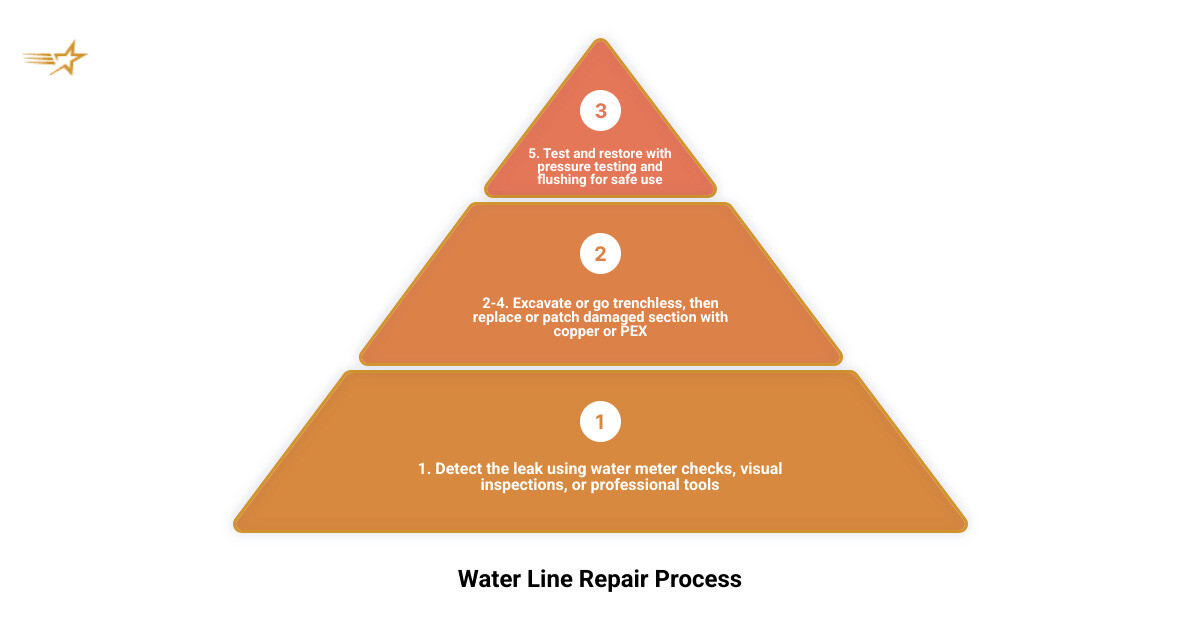
How to repair a water line — 5 steps:
- Detect the leak — Use a water meter check, visual inspection, or professional tools
- Pull permits — Most cities require a permit before work begins
- Excavate or go trenchless — Dig to access the pipe, or use a minimally invasive method
- Replace or patch the damaged section — Using copper, PEX, or PEX pipe
- Test and restore — Pressure-test the line and flush before returning to normal use
Typical costs:
- Repair: $350–$1,700
- Full replacement: $3,000–$10,000+
Most homeowners never think about their water line — until something goes wrong. That pipe running silently underground does one of the most important jobs in your house: delivering clean water to every faucet, shower, and appliance. When it fails, the damage can happen fast. A single small crack can waste hundreds of gallons of water every month, and a major break can flood your yard, spike your utility bill, or even crack your foundation.
The warning signs are easy to miss. A soggy patch of lawn. Water pressure that's a little lower than usual. A water bill that's quietly crept up. By the time most homeowners notice something is off, the problem has already been building for a while.
I'm Gary from All Pro Service Group, and our team has been handling water line repair and replacement across the Greater Salt Lake Valley since 2008 — we've seen everything from minor pinhole leaks to full main line failures in aging homes. In this guide, I'll walk you through exactly what to do, step by step.
Identifying the Need for Water Line Repair
Detecting an underground leak is a bit like being a detective. Since the main water line is buried anywhere from 3 to 10 feet deep in the Salt Lake Valley to stay below the frost line, you usually won’t see the pipe itself leaking. Instead, you have to look for the "fingerprints" it leaves behind.
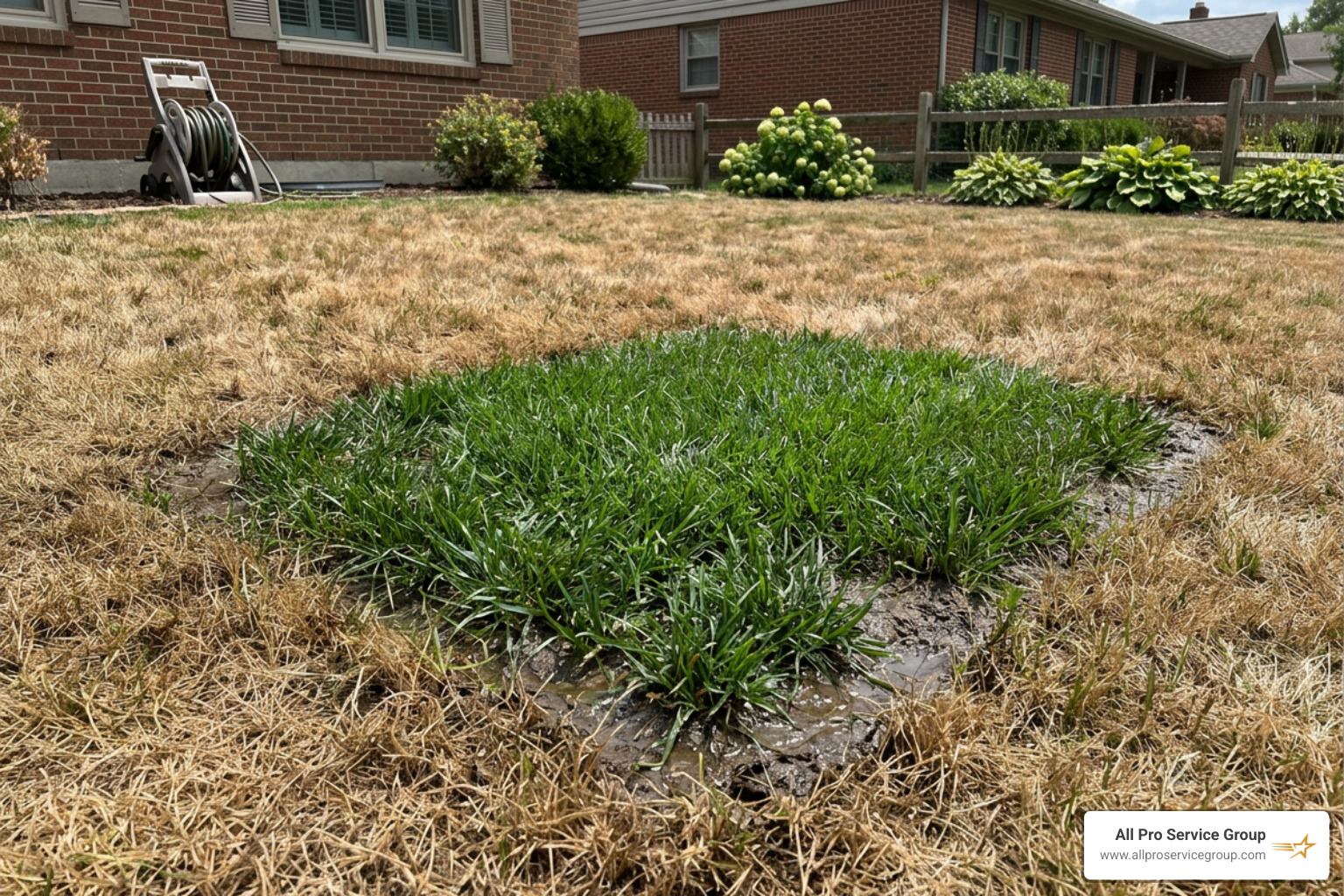
One of the most common signs we see in places like West Jordan or Sandy is a perpetually soggy patch of lawn. If it hasn't rained in a week but you have a swampy spot in your front yard, that's a major red flag. Other signs include:
- A Sudden Drop in Water Pressure: If your morning shower feels more like a light drizzle, a leak might be diverting water before it reaches your showerhead.
- Discolored Water: Rusty or brownish water often indicates that your old metal pipes are corroding from the inside out.
- Unexplained High Water Bills: Even a small crack can waste hundreds of gallons a month. If your bill spikes without a change in usage, your money is literally leaking into the ground.
- Foundation Cracks or Wet Spots: Water from a main line leak can pool against your foundation, leading to structural shifts or mold growth.
- The Sound of Running Water: If you hear hissing or rushing water behind your walls when all the faucets are off, you likely need Leak Detection & Repair immediately.
Before any major digging begins, it is vital to check local regulations. For example, while we handle the heavy lifting, you can see how some municipalities manage the process by looking at how to Apply for a Water Line Repair Permit. In the Salt Lake area, we ensure all work meets local safety codes and standards.
Common Causes of Water Line Damage
Why do these sturdy pipes fail? In our experience serving the Wasatch Front, several culprits usually lead to the need for water line repair:
- Corrosion: Many older homes in Salt Lake City still have galvanized steel pipes. Over 40–50 years, these pipes rust, thin out, and eventually fail.
- Tree Root Intrusion: Roots are naturally drawn to moisture. They can find tiny cracks in a pipe and force their way in, expanding the break until the pipe bursts. Regular Plumbing Inspections can catch this before it becomes a catastrophe.
- Shifting Soil: The ground isn't as still as it looks. Soil settling or shifting—common in areas with varying clay content—can put immense pressure on joints.
- Freezing and Thawing: Utah winters are no joke. If a pipe isn't buried deep enough, the freeze-thaw cycle can cause the ground to expand and contract, snapping the line.
- High Water Pressure: If your home's pressure is consistently above 80 PSI, it puts a constant strain on your plumbing, leading to premature wear.
When a Leak Becomes an Emergency
Not every leak can wait until Monday morning. You are facing an Emergency Plumbing situation if you notice:
- Sinkholes forming in your yard.
- A total loss of water to the home.
- Noxious odors or strange gurgling sounds from your drains.
- Water actively flooding your basement or crawlspace.
If you suspect a major break, the first thing you should do is find your main shut-off valve and turn it clockwise until the water stops. This prevents further structural damage while you wait for a professional.
The 5-Step Roadmap to Professional Restoration
At All Pro Service Group, we follow a systematic approach to ensure your water service is restored quickly and safely. While every home is different, the "5-Step Roadmap" is the gold standard for a successful Plumbing Repair.
Step 1: Detection and Diagnosis
We don't just start digging holes. We use advanced technology like acoustic sensors and video cameras to pinpoint the exact location of the leak. This saves you money by minimizing the "search area."
Step 2: Permitting and Safety
Most significant water line work requires a city permit to ensure it meets safety codes. We handle the paperwork and coordinate with local utilities to mark any underground gas or power lines before we break ground.
Step 3: Excavation (Traditional or Trenchless)
Depending on the location and depth of the pipe, we either dig a traditional trench or use modern trenchless methods to access the damaged section.
Step 4: Pipe Integration
Once accessed, the damaged section is removed. We typically replace old, failed sections with high-quality materials like copper or PEX tubing. For PEX, we use professional cinch tools to ensure a watertight, permanent seal.
Step 5: Testing and Restoration
Before we bury the pipe, we pressure-test the system to 50–65 PSI to ensure there are no other leaks. We then flush the lines to remove any debris or air bubbles before backfilling the soil and restoring your landscaping.
Modern Trenchless Methods
The days of destroying your entire driveway or prized rose garden for a pipe repair are largely over. We often recommend trenchless technology, such as Trenchless Sewer Repair techniques adapted for water lines.
- Pipe Bursting: We pull a new, high-density pipe through the old one, breaking the old pipe apart as the new one takes its place.
- Directional Drilling: This allows us to "steer" a new pipe underground from one small access point to another without digging a long trench.
- Pipe Relining (Epoxy Lining): For some leaks, we can apply a specialized epoxy coating to the inside of the existing pipe, sealing cracks without removing the old line.
These methods are faster and often save you thousands in landscaping restoration costs.
Repair vs. Replacement: Costs and Materials
One of the biggest questions we get is: "Can I just patch it, or do I need a whole new line?" Generally, if the pipe is relatively new and the damage is localized (like a single root puncture), a repair is fine. However, if the pipe is over 50 years old or made of galvanized steel, a patch is just a "band-aid" on a bigger problem.
| Feature | Water Line Repair | Water Line Replacement |
|---|---|---|
| Typical Cost | $350 – $1,700 | $3,000 – $10,000+ |
| Longevity | Fixes immediate issue | Lasts 50–100 years |
| Best For | Localized punctures/cracks | Aging, corroded, or brittle pipes |
| Materials Used | Clamps, small pipe sections | Full run of PEX or Copper |
If you have recurring leaks, it is often more cost-effective in the long run to invest in Repiping Main Line services rather than paying for multiple service calls over several years.
Factors Influencing Water Line Repair Costs
Several variables determine the final price on your Plumbing invoice:
- Depth of the Pipe: The deeper we have to dig, the more labor and equipment time is required.
- Accessibility: Is the leak under your lawn, or is it under a concrete driveway or a porch?
- Materials: Copper is the "gold standard" for durability but is more expensive than PEX or PVC.
- Permits and Fees: City permits in the Greater Salt Lake area vary by municipality.
- Restoration Needs: Traditional excavation requires more money for sod, concrete, or asphalt repair after the plumbing work is done.
Frequently Asked Questions about Water Lines
Who is responsible for the water line from the street to the home?
This is a common point of confusion. In most Utah cities, the responsibility is split at the water meter.
- The City/Utility: Responsible for the main line in the street and the water meter itself.
- The Homeowner: Responsible for the entire length of the pipe from the water meter to the house.
If a leak happens on your side of the meter, you are responsible for the repair costs and any property damage caused by the water.
How long should a main water line last?
The lifespan of your water line depends almost entirely on the material:
- Copper: Can last 50–75+ years. It is highly resistant to corrosion but can be affected by soil acidity.
- PEX and PVC: These modern plastics can last 50–100+ years. They don't rust and are flexible enough to handle some soil shifting.
- Galvanized Steel: Generally reaches the end of its life after 40–50 years. If your home was built before 1970 and still has the original line, you are likely on borrowed time.
Can I Perform a DIY Water Line Repair?
While we love a good DIY project, water line repair is one area where the risks usually outweigh the savings.
- Code Violations: Most cities require work to be done by a licensed professional to ensure the water supply remains safe from contamination.
- Specialized Tools: Professional-grade leak detection and pipe joining tools (like PEX cinch tools) are expensive and require training to use correctly.
- Insurance Denial: If a DIY repair fails and floods your basement, your homeowner's insurance may deny the claim because the work wasn't performed by a licensed contractor.
- Safety Hazards: Digging without knowing where your gas or electrical lines are is incredibly dangerous.
For complex underground work, it's always safer to call in professional Sewer Services and water line experts.
Conclusion
A failing water line doesn't have to be a disaster. By catching the signs early—like that mysterious wet spot in the yard or a climbing water bill—you can take action before your foundation is at risk. Whether you need a simple spot repair or a full trenchless replacement, choosing an expert team makes all the difference.
At All Pro Service Group, we’ve been the "Gephardt Approved" choice for the Greater Salt Lake Area since 2008. From Ogden down to Provo and everywhere in between, our trained experts are available 24/7 to handle your emergency needs. We offer transparent pricing, financing options, and a commitment to getting your clean water flowing again with as little disruption to your life as possible.
Don't let a small leak turn into a major flood. If you suspect an issue, contact us today for a professional Water Line Repair assessment. We’re here to help you protect your home and your peace of mind.