What You Need to Know About an Electrical Panel Upgrade
An electrical panel upgrade is the process of replacing your home's main breaker box with a newer, higher-capacity unit — typically to improve safety, meet modern power demands, or prepare for additions like an EV charger or solar panels.
Here's a quick summary:
| Question | Quick Answer |
|---|---|
| When do you need one? | Frequent breaker trips, flickering lights, burning smells, fuse box, or panel over 25–40 years old |
| What size do you need? | 200A is the current standard for most homes; 100A is often insufficient for modern loads |
| How much does it cost? | Roughly $1,500–$4,000 for most upgrades (US); varies by amperage and complexity |
| Can you DIY? | No — a licensed electrician is required by code |
| How long does it take? | 4–8 hours for installation; 4–14 weeks total including permits and utility coordination |
| Any tax credits? | Yes — 30% of cost, up to $600 federal credit (2023–2025), with 200A minimum required |
Most homeowners don't think twice about their electrical panel — until the lights start flickering, a breaker won't reset, or an electrician flags it during a home inspection. By then, the problem is often urgent.
Your electrical panel is the heart of your home's power system. It takes electricity from the grid and distributes it to every outlet, appliance, and light in your house. When it can't keep up — because it's old, undersized, or simply worn out — everything downstream suffers.
And the stakes are real. Faulty or outdated panels are a leading cause of residential electrical fires in the United States. Panels from brands like Federal Pacific, Zinsco, and Challenger have well-documented safety issues and are often flagged by insurers.
I'm Gary, owner of All Pro Service Group, and I've helped homeowners across the Greater Salt Lake Valley diagnose and resolve electrical panel upgrade issues since 2008. In this guide, I'll walk you through everything you need to know — from warning signs and costs to permits, tax credits, and what to expect on installation day.

Signs You Need an Electrical Panel Upgrade
Recognizing the warning signs of a failing or undersized system is the first step in preventing a household disaster. Your electrical panel is designed to protect your home by "tripping" or cutting off power when a circuit is overloaded. If it fails to do this, or if it struggles to keep up with your daily routine, it's sending you a message.
Common Warning Signs
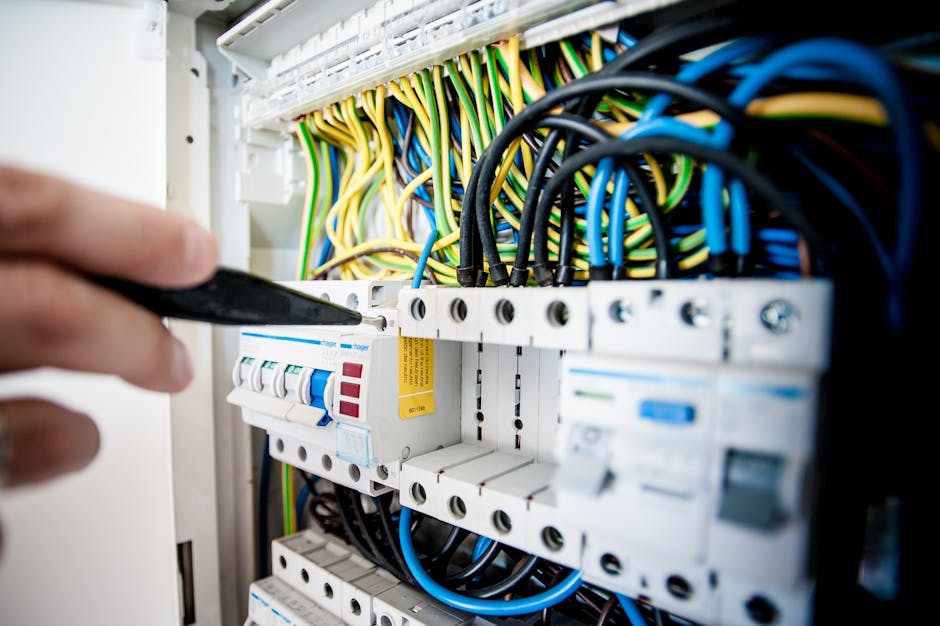
- Frequent Tripping: If you can’t run the vacuum and the microwave at the same time without a trip to the garage to flip a switch, your panel is likely maxed out.
- Flickering or Dimming Lights: Do your lights dip when the AC or refrigerator kicks on? This "voltage drop" suggests your panel can't handle the initial surge of power these appliances require.
- Physical Heat or Smells: A panel that is warm to the touch or emits a localized "fishy" or ozone-like burning smell is a major red flag. This often indicates melting wire insulation or arcing.
- Unusual Noises: Buzzing, crackling, or sizzling sounds coming from the box mean electricity is jumping where it shouldn't—a massive fire risk.
- Age of the System: Most experts agree that panels have a lifespan of 25 to 40 years. If your home was built before 1990 and hasn't been updated, you are likely overdue.
The Danger Zone: Fuses and Defective Brands
If you still have a fuse box, an electrical panel upgrade isn't just a recommendation; it’s a safety necessity. Fuses were great for the 1950s, but they weren't designed for the "always-on" digital world we live in today. Furthermore, certain brands of older breaker panels are notorious for failing to trip during an overload. According to Electrical Industry News on fire safety statistics, improved safety measures and code compliance have helped reduce electrical fires, but keeping these "no-trip" panels in your home works against those gains.
Specifically, watch out for:
- Federal Pacific Electric (FPE): Their "Stab-Lok" breakers have a high failure rate.
- Zinsco: Known for breakers that melt to the bus bar, making it impossible for them to trip.
- Challenger: Often found in homes built in the 80s and 90s, these have documented overheating issues.
Determining the Right Amperage for Your Electrical Panel Upgrade
When we talk about "amperage," we are talking about the total volume of electricity your home can pull at once.
- 100-Amp: This was the standard for decades. It’s usually enough for a small home with gas appliances, but it quickly becomes insufficient if you add central air or a hot tub.
- 200-Amp: This is the modern gold standard. It provides enough "headroom" for a large family, modern kitchen appliances, and future-proofing.
- 400-Amp: Reserved for very large luxury homes (over 4,000 sq. ft.) or those with massive electrical demands like heated driveways or multiple EV chargers.
Our team at All Pro Service Group performs a detailed load calculation to ensure your new panel matches your lifestyle. You can learn more about our specific electrical services here.
Risks of Delaying Your System Replacement
Waiting until your panel fails completely is a dangerous game. Beyond the obvious risk of a house fire, an outdated panel can lead to:
- Insurance Denial: Many insurance companies in Utah will refuse to renew a policy—or will significantly hike premiums—if they discover an FPE or Zinsco panel.
- Damage to Electronics: Inconsistent power flow (surges and sags) can fry the sensitive motherboards in your smart TV, computer, and appliances.
- Electrical Shocks: Faulty grounding in old panels can lead to small shocks when you touch an appliance or outlet.
If your wiring is as old as your panel, you might need a more comprehensive solution. Check out our guide on wiring & rewiring services for more details.
Amperage Requirements and Cost Factors
Budgeting for an electrical panel upgrade involves more than just the price of the metal box. In the Greater Salt Lake Area, several factors influence the final quote.
What Drives the Price?
- Amperage Level: Moving from 100A to 200A is the most common project, typically ranging from $1,500 to $4,000. Upgrading to 400A is significantly more expensive (often $4,000 to $8,000) because it requires heavier-duty equipment and more labor.
- Labor and Materials: Licensed electricians in Utah typically charge between $65 and $130 per hour. High-quality copper wiring and specialized breakers (like AFCI/GFCI breakers required by modern code) also add to the cost.
- Utility and Permit Fees: You must pay for a city permit and often a fee to the utility provider (like Rocky Mountain Power) to disconnect and reconnect your service.
- The "Extras":
- Meter Box: If your exterior meter socket is old or damaged, it must be replaced to match the new amperage.
- Grounding: Modern code requires two grounding rods driven into the earth.
- Trenching: If your power lines are underground and need to be upsized, expect to pay for excavation.
- Relocation: Moving the panel from a closet or bathroom (where they are no longer allowed) to an exterior wall adds significant labor.
While you're looking at the panel, it's a great time to refresh your outlets & switches to ensure your entire system is up to code.
Federal Tax Credits and Financial Incentives
The good news for Utah homeowners is that the federal government is currently incentivizing energy efficiency. Under the Energy Efficient Home Improvement Credit (Section 25C), you can offset a portion of your electrical panel upgrade costs.
The Details of the Credit
- 30% Credit: You can claim 30% of the project cost on your federal taxes.
- $600 Cap: The maximum credit for a panel upgrade is $600 per year.
- Qualification: To qualify, the panel must have a load capacity of at least 200 amps and be installed in conjunction with other energy-efficient improvements (like a heat pump or central AC).
- Timeline: This credit is available for installations made through December 31, 2032.
To claim this, you'll need to use IRS Form 5695. You can find the full instructions for Form 5695 here.
Maximizing Savings with the Electrical Panel Upgrade Tax Credit
Because there is an annual limit on these credits, some savvy homeowners "ladder" their projects. For example, you might upgrade your panel and insulation this year (claiming up to $1,200 total for those categories), and then install a heat pump next year (which has a separate $2,000 annual limit).
This credit applies to your principal residence, but renters who pay for the upgrade themselves may also be eligible. For more details on qualifying products, check the Energy Star Frequently Asked Questions.
The Professional Installation Process
At All Pro Service Group, we believe in transparency. Here is exactly what happens when we perform an electrical panel upgrade in your home.
- Assessment & Load Calc: We visit your home to determine your current usage and future needs (like that EV charger you've been eyeing).
- Permitting: We handle the paperwork with your local Utah municipality (Ogden, Provo, SLC, etc.) to ensure everything is legal.
- Coordination: We schedule a "disconnect" time with the utility company.
- Installation Day: We remove the old equipment, install the new panel, drive grounding rods, and wire in the new breakers.
- Inspection: A city inspector visits to verify the work meets the National Electrical Code (NEC).
- Restoration: Once the inspector gives the "green tag," the utility company restores full power.
Many of our customers combine a panel upgrade with an EV charger installation to save on labor and permit costs.
Preparing Your Home for Installation Day
- The Outage: Your power will be out for 4 to 8 hours. Plan accordingly—charge your phones and keep the fridge closed!
- Clear Access: We need about 3 feet of "working clearance" in front of the panel. Please move any boxes or storage shelves.
- Electronics: Unplug sensitive computers and TVs before we shut down the main breaker to avoid any issues during power restoration.
- Pets: It can be a noisy day with drills and hammering. It’s often best to keep pets in a quiet room or at a neighbor's house.
Frequently Asked Questions
Can I upgrade my electrical panel myself?
In a word: No. While we love a good DIY spirit, an electrical panel upgrade involves working with "live" wires from the utility that cannot be turned off by a standard switch. One mistake can be fatal. Furthermore, Utah law and local building codes require a licensed professional to pull the permit and perform the work. If you DIY and a fire occurs later, your insurance company will almost certainly deny the claim because the work wasn't permitted or inspected.
How long does the upgrade process take?
The actual installation usually takes one business day (4 to 8 hours). However, the "total" process—including waiting for city permits and coordinating with Rocky Mountain Power—can take anywhere from 2 to 6 weeks depending on how busy the local building department is.
Do I need an upgrade for solar panels or heat pumps?
Often, yes. Solar systems backfeed power into your panel, and many older 100A or 125A panels don't have the "bus bar" capacity to handle the extra current. Similarly, switching from a gas furnace to an electric heat pump adds a significant new load that requires its own dedicated 30-amp to 50-amp circuit. Upgrading to a 200A panel ensures you have the "slots" and the capacity to handle these green energy transitions.
Conclusion
Your electrical panel isn't just a box of switches; it’s the primary safety device for your entire home. Whether you're dealing with flickering lights in Salt Lake City or preparing for a new EV charger in Provo, an electrical panel upgrade is one of the smartest investments you can make in your property's safety and value.
Since 2008, All Pro Service Group has been the trusted name for electrical, plumbing, and HVAC services across the Wasatch Front. We are "Gephardt Approved," fully licensed and insured, and committed to providing exceptional customer service with transparent pricing. We even offer financing options to help make these essential safety upgrades more affordable.
Don't wait for a "burning smell" to take action. Schedule your electrical panel upgrade with All Pro Service Group today and enjoy the peace of mind that comes with a modern, safe, and efficient home.